
Seasonal chill cools rents in hot Bay Area apartment market

Apartment prices in the Bay Area dipped last month, but renters, don’t breathe a sigh of relief — analysts expect prices to continue to climb in 2018.

Rental market watchers noted slight declines in apartment prices in November, attributing it to routine seasonal swings in a month where fewer people are searching for housing.

The Bay Area remains home to the highest rental prices in the country, with San Francisco topping the charts with a median price of $3,050 per month for a two bedroom, according to rental website Apartment List. A typical two bedroom in San Jose listed for $2,550 in November, while a similar Oakland pad went for $2,170.

“Even when rents dip a little bit, they’re still more than twice the national average,” said Sydney Bennet, a researcher for Apartment List. Nationwide, apartment prices fell in two-thirds of the major cities last month, she said.

Prices fell month-to-month in San Jose, San Francisco and Oakland, but still have shown a net rise over the last year. Prices in the East Bay dropped 1.4 percent, while San Jose rents fell about 1 percent, according to Apartment List.

The hottest market this year has been Sacramento, as Bay Area residents flee high prices for more affordable housing. Rent prices have increased almost 10 percent in the last year. But Bay Area escapees can still find better deals in Sacramento, where the median price for a two bedroom was $1,190 a month.

“Jobs are a big factor for rent growth in the whole area,” Bennet said. Apartment List researchers expect prices to climb in 2018, she said.

Nationally, rents have risen about 2.7 percent in the last 12 months. California has led the way, averaging a 4.3 percent increase.

A report by real estate website Zumper also found dips in San Francisco, but monthly increases in San Jose and Oakland. The website tracks apartments in the U.S. and Canada.

Zumper analysts also are bullish on demand for Bay Area apartments,  as new apartments are being built across the region. “I don’t think the tech market is going to slow down any time soon,” said spokeswoman Crystal Chen.

Looking for relief from Bay Area prices? Zumper found rents sliding in Pittsburgh, Pennsylvania, Durham, North Carolina, Buffalo, New York, and Milwaukee, Wisconsin, although a check of the weather forecast might be in order before moving.

Article source: http://www.mercurynews.com/2017/12/01/seasonal-chill-cools-rents-in-hot-apartment-market/

Posted in SF Bay Area News | Tagged | Leave a comment

Justin Fichelson On the US Real Estate Investment Trends for 2018

93c64 img 6452 Justin Fichelson On the US Real Estate Investment Trends for 2018

How does the New York real estate market differ from San Francisco? Courtesy

The real estate market is one of the most in-tune economic barometers; its transactions add up to nearly 15 percent of GPD. As globalization and digitization continue to disrupt established labor and business patterns, housing needs and investment opportunities evolve as well. In certain go-to metro areas like Silicon Valley or Dallas Fort Worth, the workforce struggles with a housing impasse. Historic luxury property magnets like New York or Los Angeles are seeing a heated bidding war between domestic and international buyers, competing for investment.

While regional hubs benefit from available housing to attract talent, there is a growing body of evidence to suggest a direct correlation between rising housing costs and stagnating job rates. That’s a worrisome prospect. In better news, millennials are finally beginning to transition from renting to buying, rejuvenating upscale home sales. But that still raises a few questions, like is 2018 gearing up to be a good year to invest in real estate? If so, where should one look? What incongruities should buyers watch out for?

To navigate a market fraught with mixed messages, we turn to Justin Fichelson, luxury real estate advisor and TV personality on Bravo’s Million Dollar Listing San Francisco, who’s built a thriving business on referrals and exclusive repeat clients.

With markets rallying and prices rising, is it a good time to buy?

Absolutely! The real estate markets in the major urban centers in the United States have increased dramatically; $300K in the mid-1980s in San Francisco could get you a house that’s worth over $5 million today. Long-term, real estate will only go up if you buy wisely in resilient markets connected to innovation-driven industries. For example, the West Village in NYC saw townhouse values soar 150 times, within one generation. If you think ahead, strategic real estate purchasing is key to peace of mind for you and your family. If we map the economy dynamics now, Austin, Texas continues to grow as does Charlotte, North Carolina and many towns around the Bay Area including Vallejo, Walnut Creek and Petaluma.

How will price hikes affect real estate markets in 2018?

The phenomenon of being priced out of a neighborhood is real, both for older longtime residents and people starting their professional lives in a new place. Look for areas where young people are moving next. For example, San Francisco with its strict zoning laws has a highly coveted and extremely limited stock. As a result, people are moving to outlying areas within strong transportation networks which are being developed to accommodate such expansion. Places like Vallejo and Richmond are attractive for those looking to flip a property. Of course, there are always safe bets in historic neighborhoods like Pacific Heights or SoHo.
 Justin Fichelson On the US Real Estate Investment Trends for 2018

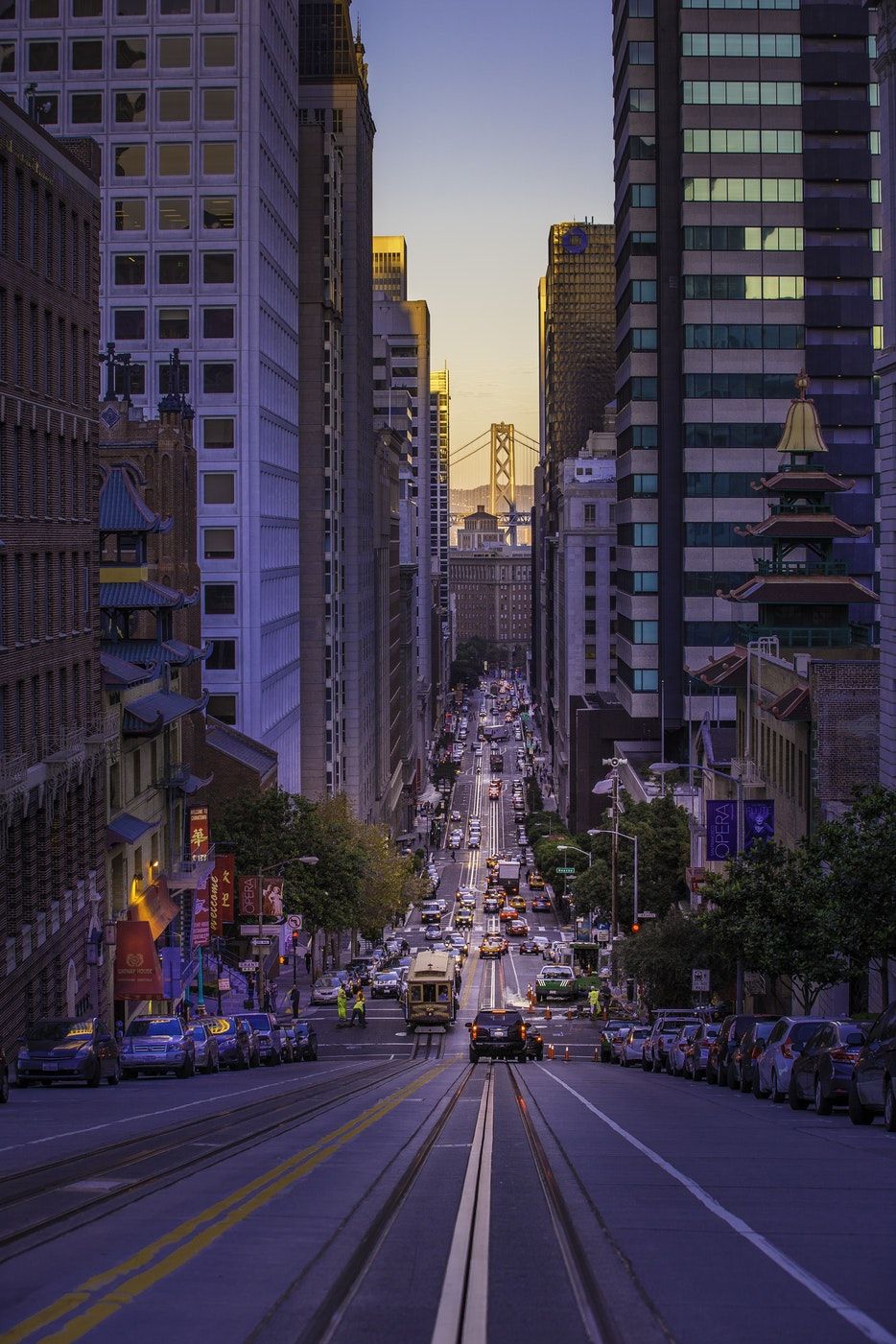
How far will your money go in San Francisco? Rezaul Karim

Is there a difference between clients based in New York versus San Francisco?

Bay Area clients are mostly in tech-related industries, while NYC customers come from a far more diverse array of industries like finance, entertainment and fashion; they often originate from abroad, which makes sense. The American market is one of the most resilient due to being supported by perhaps the most diverse economy in the world. People are still looking to live the American dream! NYC clients also tend to have a more sophisticated eye, when it comes to the architecture and design of high-end new development projects.

So, what does a million dollars buy in the USA?

That depends on where you’re looking to explore. A million in San Francisco is a good one-bedroom or a mediocre two-bedroom apartment. In NYC, that may be a one-bedroom in more accessible areas or a shoebox in the hot spots. In Miami, that’s a spacious two-bedroom or a decent home away from the beach. In LA, a million-dollar property can range from a small single-family home to a tiny plot of dirt in a commercially lucrative area. In most urban places, the pricing varies dramatically, depending on the neighborhood.
9b2d5 abbie bernet 237683 Justin Fichelson On the US Real Estate Investment Trends for 2018

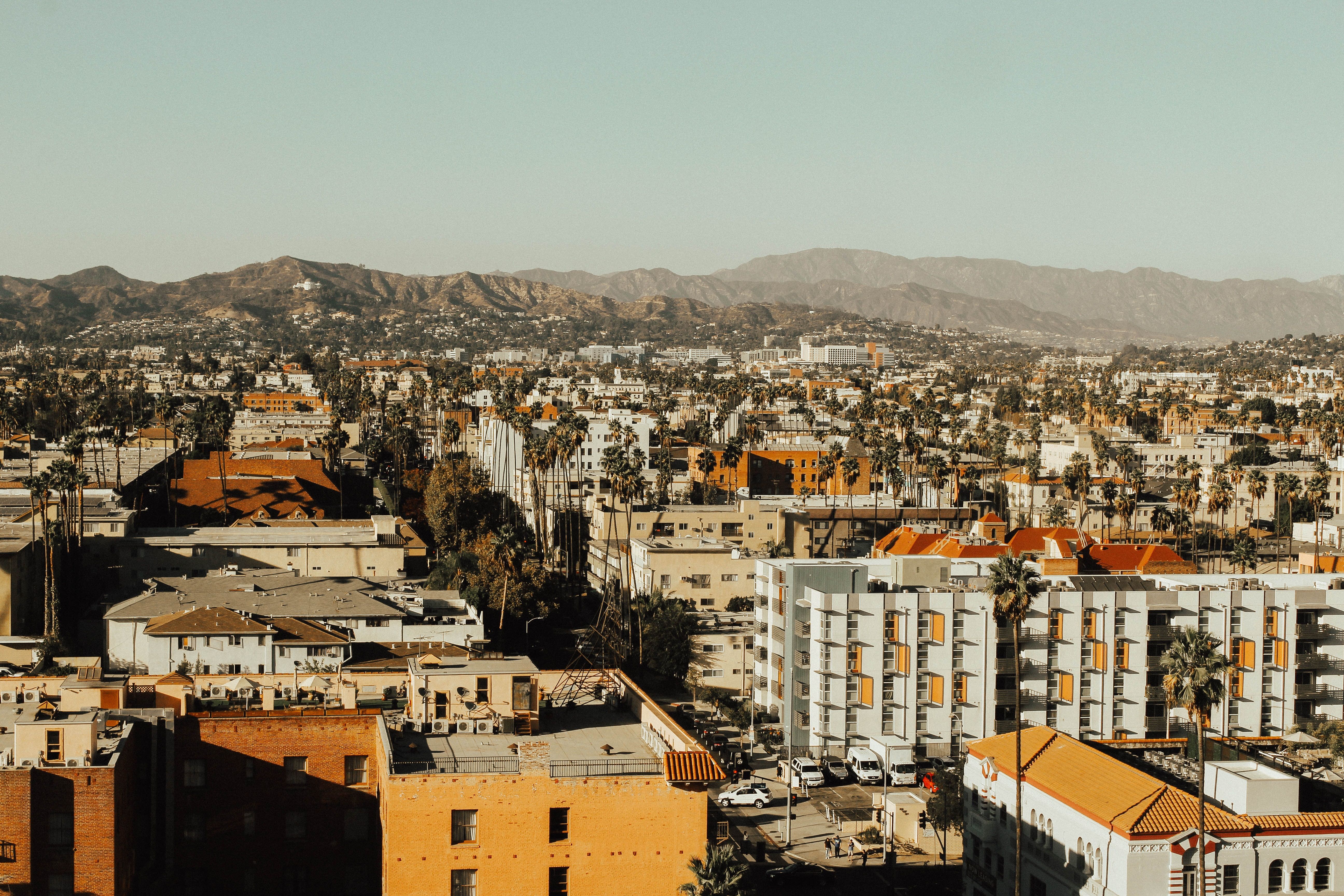
You can buy a nice plot of dirt for $1 million in Los Angeles. Abbie Bernet

What questions should prospective buyers ask themselves?

What are you trying to achieve with this purchase? Is it a family home or something convenient for a couple years with the goal of getting a larger space later? Realistically, how much are you comfortable spending and how will that alter your lifestyle? Then, think about who you are going to work with to accomplish this. For example, a home in the trendy Cow Hollow area of San Francisco sold for a million over its asking price the day before it was to be brought on the market…the West Coast is gaining popularity as an international home-buying destination, so buyer competition is real. It’s all about knowing the right local experts and building a relationship with an agent you trust.

If you were to retire now, where would you live and what would you do?

I’d split my time between San Francisco, NYC and London. I’m a San Francisco native, NYC is the center of the world, full stop, meanwhile, London has the perfect combination of urban beauty, world history and the geographic convenience of getting anywhere in Europe within a few hours. I’d probably increase my involvement with charitable causes. I am a founding member of the Exploratorium Lab which raises money for the Exploratorium, one of the world’s premier interactive science museums. I believe that education, ultimately, is the key to success in any undertaking—including buying a home.

Stephan Rabimov writes about emerging fashion markets. He is also a Director of Fashion Journalism program at Academy of Art University in San Francisco.

9b2d5 img 6452 Justin Fichelson On the US Real Estate Investment Trends for 2018

Article source: http://observer.com/2017/12/justin-fichelson-on-the-us-real-estate-investment-trends-for-2018/

Posted in SF Bay Area News | Tagged | Leave a comment

The home supply will rise nationally next year — but probably not in the Bay Area

The supply of homes is expected to increase nationally next year for the first time since 2015 — but not in the Bay Area.

Since last November, the number of active listings in the San Jose metropolitan area has declined more than 40 percent, while it has dipped 18 percent in the San Francisco metropolitan area. That’s according to realtor.com, which predicted a rebound nationally in its 2018 National Housing Forecast.

The two Bay Area “metro areas differ from the trend that we’ve observed in other parts of the country,” said Danielle Hale, chief economist for realtor.com. Next year is expected to mark “a significant inflection point in the housing shortage” for the nation as a whole, but the Bay Area picture is less rosy.

More than in most parts of the country, potential sellers choose to stay in their homes in the super-expensive Bay Area market.

Real estate agents and other industry observers chalk that up to a variety of factors: Homeowners don’t want to pay capital gains penalties, preferring to sit on their equity. Besides, where would they move in a region where numerous counties have median sales prices of more than $1 million for a single-family house?

What’s left is an unusually tight market where buyers compete and push prices up.

Even so, the new report suggests a moderating Bay Area market, at least when compared to the conditions that existed here a few years back, when double-digit, year-over-year price growth was the norm.

The 2018 forecast from realtor.com shows year-over-year sales up 2.5 percent and prices up 4.37 percent in the San Jose metropolitan area, which includes Santa Clara and San Benito counties. In the San Francisco metropolitan area — which includes San Francisco, San Mateo, Marin, Alameda and Contra Costa counties —  realtor.com projects a smaller sales increase of 0.94 percent and price growth of 5.14 percent.

That compares to a 2.5 percent year-over-year increase in national sales of existing homes and 3.2 percent price appreciation in 2018. The report also predicts 7 percent growth in new single-family housing starts across the U.S.

In the Bay Area, new home construction “has shown signs of picking up recently,” Hale said. “New construction to help meet strong demand from growing households is a prerequisite for an inventory turn-around in the Bay Area.”

The report predicts an average mortgage rate throughout the year of 4.6 percent on 30-year fixed loans, reaching 5.0 percent by year’s end. And it notes one “major wildcard” that could wind up jumbling the numbers: the impact of tax reform legislation being debated in Congress.

As for the national inventory, the supply of available homes is expected to shrink in the first few months of the year, but the rate of decline will slow. Finally, the report predicts, year-over-year inventory growth will “tick up into positive territory by fall 2018, for the first time since 2015.”

Most of the home supply growth is expected to occur in the mid-to-upper tier price range, which includes U.S. homes priced above $350,000. The supply of starter homes will take longer to bounce back because their levels have been “significantly depleted by first-time buyers,” the report said.

Article source: http://www.mercurynews.com/2017/11/30/the-home-supply-will-rise-nationally-next-year-but-probably-not-in-the-bay-area/

Posted in SF Bay Area News | Tagged | Leave a comment

A holiday must-see in San Francisco — the 2-story gingerbread …

If you do nothing else holiday-related this December, get thee to the gingerbread house at San Francisco’s Fairmont hotel. It’s simply festive overload, in the best possible way.

The 22-foot-tall, two-story house in the Grand Lobby will knock your Christmas socks off. It’s huge. You can even walk through the middle of it and look in the windows to spy a mini kitchen with cookies ready to enter an oven, a giant nutcracker and a train circling through a snowy village.

This delectable edible abode (don’t nibble it, though — Santa frowns on that) is crafted fresh each year by the hotel’s culinary and engineering teams, with more than 7,500 baked gingerbread bricks, hundreds of pounds of candy and more than a ton of royal icing. The sweet, sweet cookie aroma fills the lobby.

But that’s not all. There’s a towering, glittering tree, every banister in the lobby is clad in lights and foliage, reindeer stand atop the registration desk and there’s a kids’ area called the North Pole Nook complete with a gingerbread doghouse.

For even more holiday swank, make reservations for one of hotel’s holiday tea times, available Nov. 24 through Jan. 1.

Details: It’s free to view the gingerbread house and decorations. The display opens Nov. 25; 950 Mason St. Check the website for pricing on holiday teas and for room rates; www.fairmont.com/sanfrancisco.

Article source: http://www.mercurynews.com/2017/11/29/a-holiday-must-see-in-san-francisco-the-2-story-gingerbread-house-at-the-fairmont/

Posted in SF Bay Area News | Tagged | Leave a comment

Home Prices Soar On San Francisco Laidley St. As Tech Execs Converge On Glen Park

SAN FRANCISCO (KPIX 5) — Century-old architecture and cottage homes meet enormous, modern construction on the hottest street in San Francisco for high-roller tech executives.

Laidley Street, which curves around the east flank of the Glen Park neighborhood, could soon be recognized as a new San Francisco “microhood” which some realtors have begun calling Laidley Heights.

Take Laidley street’s newest home — dubbed Laidley Manor — on the market for a record $10 million. It’s a 5,300 square foot, five-bedroom, 5 1/2 bath home which features a zen garden, three levels, massive closets and top-of-the-line finishes.

“We have buyers, typically younger, high-tech buyers who are massively wealthy, typically suddenly so, and they’re not really interested in the mansion in Pacific Heights,” said Patrick Carlisle with Paragon Real Estate. “They want a beautiful new home, they want a high-tech home, they want a neighborhood ambiance that is lower-key and more relaxed.”

Laidley Street stretches south from Noe Valley. It is separated from Bernal Heights on the east by San Jose Ave. Among Laidley’s attractions are dramatic, unobstructed views of the San Francisco skyline, the Bay Bridge and East Bay hills.

Real estate agents told KPIX that Apple executives have snapped up and remodeled three pricey, mega-homes in the area.

This past spring, a 5-bedroom, 4,400 square foot home sold for more than $5 million — the highest ever for the neighborhood. On a recent drive, it’s not hard to spot big construction projects on the block.

After the 1906 earthquake, many people from downtown moved into the neighborhood because it was mainly untouched by the disaster. Newly-homeless families lived in so-called earthquake shacks.

Andrew Ugrinow has lived on Laidley for 14 years. He and his husband plan to take advantage of the red-hot real estate market and cash out.

“We’re thinking about retiring and it’d be kind of nice to sell it at a higher price,” Ugrinow said. “We’re thinking about either going back to Ohio or Palm Springs.”

Judy Tergis is a third-generation San Franciscan.

“It’s gotta be sad you know, we have four children who can’t afford to live here and we’re lucky because my mother-in-law bought this house in the fifties (at) $50,000 or so for two lots,” Tergis explained.

Today the median home price for Glen Park is close to $1.5 million.

Philip Pasmanick’s two-bedroom house is within walking distance of the luxury homes. “I have mixed feelings because these homes — many of them only the elite can possibly begin to afford, whereas I bought my home for $200,000 and now my daughter still lives in her childhood room in the basement,” Pasmanick said.

Real estate market analyst Patrick Carlisle says the new generation of Silicon Valley elites has particular taste.

“They love areas like Noe Valley, the Castro and Cole Valley, places where they wander out in their jeans and sneakers for a cup of coffee and sushi and that sort of thing. And it’s also close to highways south on the peninsula,” Carlisle said.

Article source: http://sanfrancisco.cbslocal.com/2017/11/23/laidley-street-glen-park-real-estate/

Posted in SF Bay Area News | Tagged | Leave a comment