San Francisco homeowner offers property for $13 million or Bitcoin – KGO

Homebuyers are starting to bring cryptocurrency to the Bay Area housing market. But, is this a long-term trend, or just a blip? Local real estate experts say it’s here to stay.

RELATED: Everything you need to know about Bitcoin

“It’s something that people will have to grasp, but the younger generations do, and so they’re going to be using the funds that they make in cryptocurrencies to purchase properties,” says San Francisco real estate developer and broker, Rick Teed. “That’s where they’re going to have their wealth.”

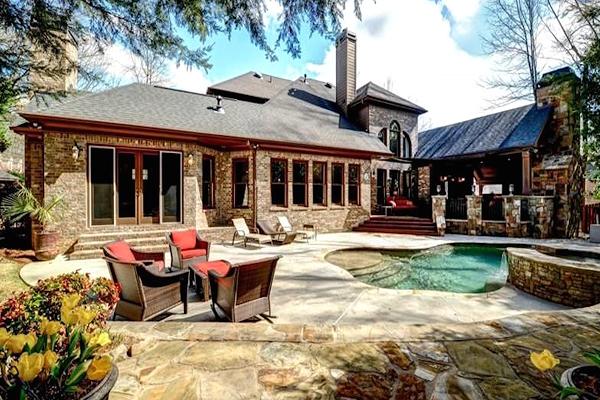
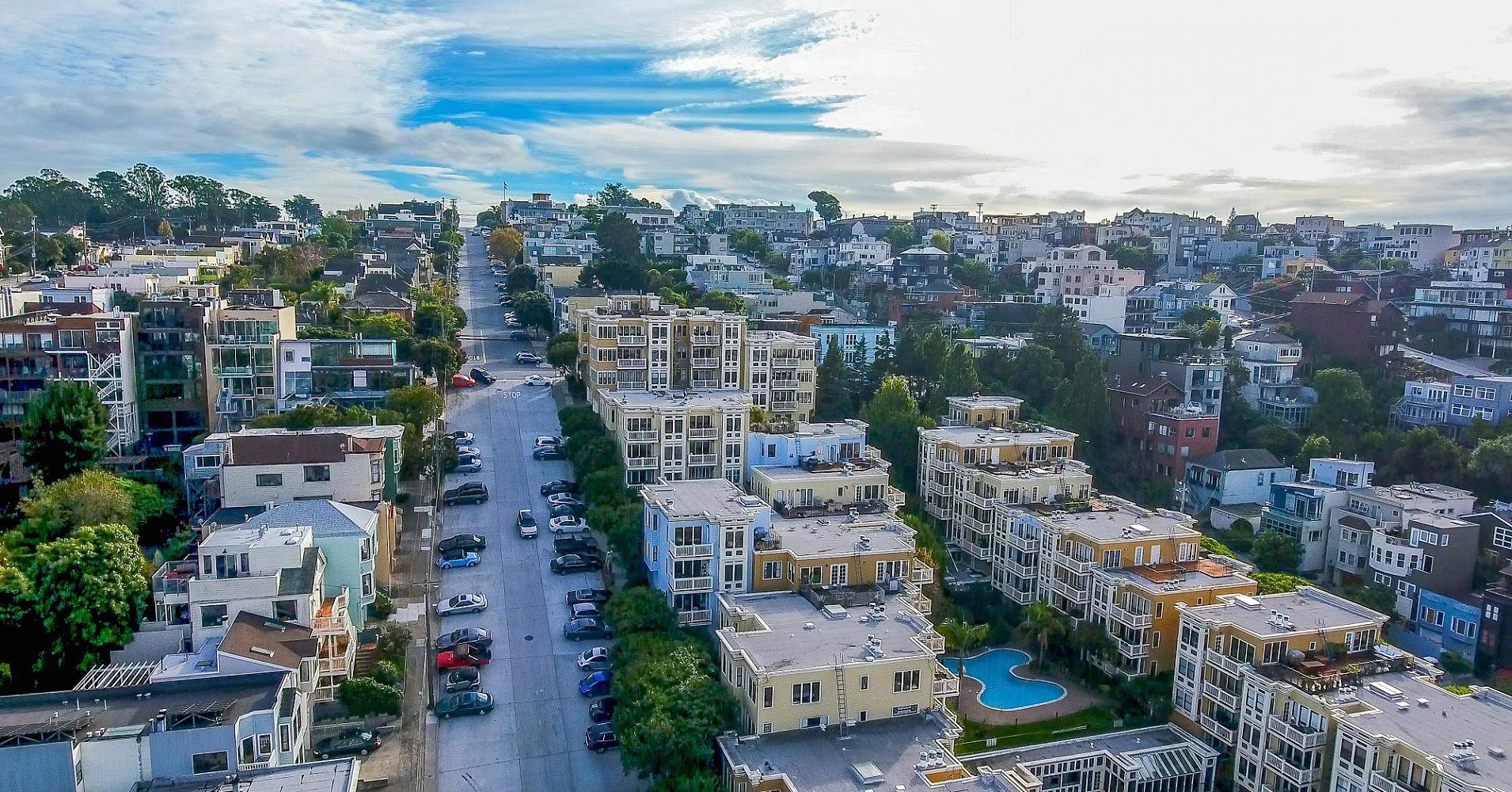
Teed recently built a 5-bed, 6-bath multi-story home on North Point St. in the city’s Russian Hill neighborhood. The property, which sits in the shadow of Ghirardelli Square, is currently listed at $13 million. His decision to accept Bitcoin as a form of payment has been attracting attention among would-be buyers.

RELATED: Bitcoin expert explains the cryptocurrency

“I would take Bitcoin in a heartbeat,” says Teed. “Bitcoin is more liquid than most people think.”

Digital currencies, such as Bitcoin, work without a bank or middleman. They’ve created fast wealth for investors, some of whom are now cashing out and going house hunting. A growing number of agents have been fielding questions from clients who are now exploring their options.

VIDEO: Inside the $13 million home that may sell for Bitcoin

“At the end of the day, we want to get people into their dream homes, and get our sellers the true top dollar for their properties,” says Neil Canlas, San Francisco real estate agent. “However that stimulates the economy, if that’s Bitcoin, then that’s great.”

Real estate brokerage, Redfin, has seen dozens of listings nationwide in which the seller mentioned accepting Bitcoin, which shows that the conversation about cryptocurrency, and its impact on the housing market, isn’t just happening here.

“It is remarkable, and shows that people with a lot of money are adopting it, and accepting it, and putting trust in it,” says San Francisco real estate agent, Justin Fichelson. “The more they put trust behind it, the more the public’s going to put trust behind it.”

Click here for more on the listing.

Article source: http://abc7news.com/realestate/san-francisco-homeowner-offers-property-for-$13-million-or-bitcoin/2831661/

Posted in SF Bay Area News | Tagged | Leave a comment

San Francisco landlords are turning ‘crappy old storage rooms’ into apartments—and it’s good news for the city

<!– –>


VISIT CNBC.COM


Money

3 Hours Ago

9aaa8 104917971 SF neighborhood.1910x1000 San Francisco landlords are turning crappy old storage rooms into apartments—and its good news for the city

In 2014, San Francisco passed legislation allowing property owners to add accessory dwelling units, or ADUs, to their homes and buildings. The law was then expanded in late 2016 so that any building with at least five existing apartments could add an unlimited number of units, the San Francisco Chronicle reports.

As property owners take advantage of the new law, the city has seen an explosion of ADUs over the past year. “There are now 1,046 ADUs in the pipeline, with building permits approved for 531 of them,” according to the Chronicle.

These units, often called “granny flats,” typically consist of converted garages or basements. “Pretty much every multi-unit building with crappy old storage rooms is taking a look at this,” John Pollard of the SF Garage Co. told the Chronicle. “You’ve got all these property owners that realize they are sitting on dead equity.”

That means everything from a boiler room to basement storage has the potential to become a new housing unit. One landlord in San Francisco’s Nob Hill neighborhood is turning a ground-floor dining hall into seven individual units, the Chronicle reports. The apartments will be between 220 and 381 square feet and cost anywhere from $2,400 to $2,800 a month.


9aaa8 104398017 thumbnail.600x400 San Francisco landlords are turning crappy old storage rooms into apartments—and its good news for the city


At face value, the prospect of paying top dollar to live in what was once a “crappy old storage room” might not sound appealing but ADUs are much needed housing options to an area desperate for them. And with San Francisco’s median rental price climbing to $4,400 a month, the price isn’t as outlandish as it may seem.

“The new laws won’t come close to filling the Bay Area’s housing needs. But they could create options for middle-income renters who don’t qualify for below-market-rate housing and can’t afford a market-rate apartment,” the San Francisco Chronicle reported in late 2016 as the law was about to take effect.

The cost of living and the housing crisis in San Francisco are a pressing issue, and not just for the working and middle class.

When Houston-based law firm Patterson and Sheridan expanded to Silicon Valley, it opted to keep employees in Texas rather than have relocate to California. Now the lawyers commute once a month for meetings on a nine-seat, $3 million jet equipped with maple-paneled cabins and plush leather seats. It was, remarkably, the cost-effective decision.

Even with the cost of the jet, plus the $2,500 per hour cost to operate it, the firm says it can offer clients lower prices because most of the work is done in Houston, where commercial real estate is 43 percent cheaper, salaries are 52 percent lower and competition for technical talent less fierce, according to an original report in the Houston Chronicle.


9aaa8 104395619 makeit livecomfy mezz.600x400 San Francisco landlords are turning crappy old storage rooms into apartments—and its good news for the city


Meanwhile, employees at local tech behemoths like Twitter and Facebook have reported struggling to make ends meet. Earlier this year, one Twitter employee earning a $160,000 salary told The Guardian that he’s barely scraping by in Silicon Valley.

The employee’s biggest expense is the $3,000 monthly rent he pays on a two-bedroom house where he lives with his wife and two kids, which he describes as “ultra cheap.”

“Families are priced out of the market,” he says, explaining that it’s hard to compete with the hordes of 20-somethings willing to pile into a shared house — and still pay $2,000 per person for a room.

Turning unused space into rentable units could be part of a solution. It also allows families to create more affordable housing options for extended family members, live-in nannies or caretakers for aging parents.


9aaa8 104538623 makeit 061917 Most Expensive Zip Codes mezz.600x400 San Francisco landlords are turning crappy old storage rooms into apartments—and its good news for the city


With the median home value in San Francisco reaching over $1 million, it could also help property owners pay off expensive mortgages.

“Adding an ADU to your property can provide several benefits, such as providing housing for family members, simplifying your lifestyle, and increased financial flexibility,” the San Francisco Planning Department says on their website.

However, according to the San Francisco Housing Action Coalition, the “legalization of ADUs did not lead to the increase of units in single family home (SFH) neighborhoods that the City anticipated.” Rather, the majority of ADU permits were for additions to larger buildings. That’s partly why both San Francisco and California overall still have a way to go to solve the housing crisis. But it seems ADUs are a step in the right direction.

“We’ve created a new asset class in the housing market — someone is going to step up and make a lot of money financing these things,” Matt Regan, senior vice president of housing policy at the Bay Area Council, a business-sponsored, public policy advocacy group, told Business Insider.

“Someone’s going to crack this nut very quickly.”

Don’t miss:

  • If you’re planning to buy a home in 2018, don’t make this mistake
  • 18 things worth paying extra for in 2018
  • Here’s how the tax bill will affect the middle class in every US state

Like this story? Like CNBC Make It on Facebook!


9aaa8 104381663 thumbnail.600x400 San Francisco landlords are turning crappy old storage rooms into apartments—and its good news for the city


34894 104381216 20170331 1877 2351.60x60 San Francisco landlords are turning crappy old storage rooms into apartments—and its good news for the city

a:after {content: “203A”;font-size:1.25em;margin-left:1px;font-family:”Gotham Narrow Ssm 4r”}
@media screen and (max-width: 600px){
.video-wrapper {display: inline-block;width: 47%;}
}
@media screen and (max-width: 530px){
.wildcard .prime_promo_module {margin: 20px 10px!important;}
.wildcard .prime_promo_module .sourceName.top a {font-size: 14px;}
.video-wrapper { display: inline-block;width: 100%;}
.poster-wrapper {max-width: 100%;}
.video-info {margin-left: 0px;width: 100%;max-width: 530px;}
.prime_promo_module i.fa.fa-video {font-size: 3.5em;margin: 55px 105px;}
.prime_promo_module .top{margin:0px;}
body[id*=makeit] .show-name.top a {font-size: 14px;}
h3.content-title {font-size: 22px;line-height: 26px;}
.immersive article .tuneIn p {font-size: 15px;}
}
]]>

 San Francisco landlords are turning crappy old storage rooms into apartments—and its good news for the city

Playing

Share this video…

Watch Next…

Posted in SF Bay Area News | Tagged | Leave a comment

A little hope for a homeless solution: Tiny housing units sprout in the Bay Area

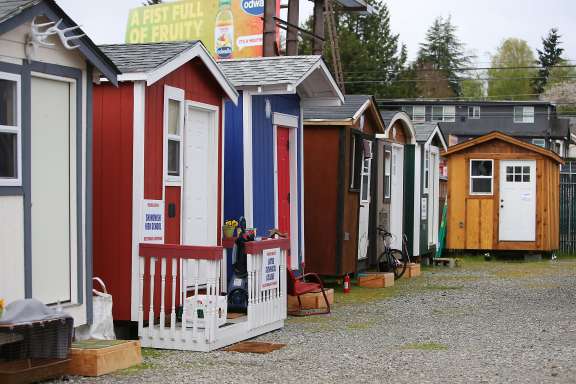
Nearly 1,000 tiny homes or their close cousins — stackable modular housing units, typically with less than 200 square feet of living space — are being planned in San Francisco, San Jose, Richmond, Berkeley, Oakland and Santa Rosa.


Planners say that’s just the beginning. “We’re very excited about micro-homes,” said Lavonna Martin, director of Contra Costa County’s homeless programs. “They could be a big help. They have a lot of promise, and our county is happy to be on the cutting edge of this one. We’re ready.”

Tiny units can be built in a fraction of the time it takes to construct typical affordable housing, at a sliver of the cost, and that means a lot of homeless people can be housed quickly. In one of the most expensive housing markets in the nation, with tent-camp problems everywhere, that prospect sounds like a game-changer to officials.

Contra Costa has a $750,000 federal homelessness grant to pay for 50 stackable micro-units of supportive housing, and Richmond Mayor Tom Butt would like to see them in his city. Developer Patrick Kennedy brought a prototype of his MicroPad unit to Richmond in November, and county and city leaders say they are leaning toward choosing it.

“They’re very fine, and they make a nice-looking building,” Butt said. “They’d be good for anybody looking for housing.”

Supportive housing is the gold standard of residences for hard-core homeless people — the term refers to rooms or apartments in buildings with counselors on-site to shepherd them through the addictions or other afflictions that ruined their lives. It’s the most commonly used technique for housing chronically homeless people who have been on the street more than a year and who consume far more in police, hospital and other costs than less-troubled indigents.

The trouble is that it is expensive, costing upward of $500,000 per unit to build over about five years. Modular stackable units, often called “Lego houses” because they bolt together easily, generally cost about half that and can be assembled in less than a year.

Contra Costa tallied 331 chronically homeless people in the last point-in-time count, taken in January. Martin hopes the county and Richmond can settle on a site for the homes and sign a contract by March, and have them assembled within a year.

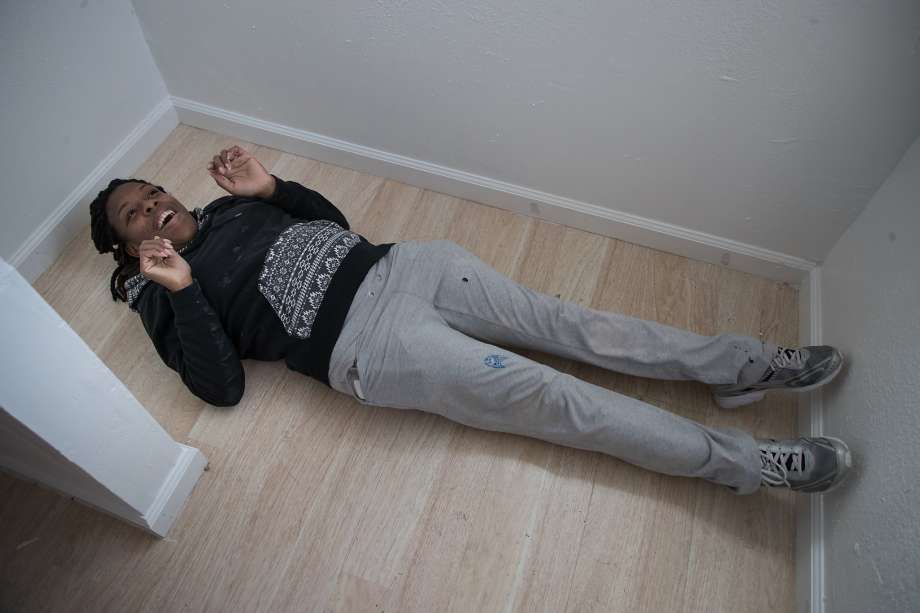
“These micro-homes may seem small at 160 to 180 square feet, but they’re actually pretty spacious when you’re in them,” she said. “And they go up very fast.”

Kennedy’s MicroPads have showers, beds and kitchens. Individually they resemble shipping containers, but once they’re bolted together with siding and utilities, they look like a regular building.

Kennedy offered to build hundreds of units for San Francisco, but the idea didn’t gain traction. City planners said land was hard to find, and unions didn’t like the fact that some of Kennedy’s units are built in China.

42694 920x1240 A little hope for a homeless solution: Tiny housing units sprout in the Bay Area


However, San Francisco officials have since moved forward with plans to build 500 units of supportive housing on Mission Street, in Mission Bay and on Treasure Island — all using tiny-unit modular housing, but this time prefabricated in Vallejo at a factory being created by developer Rick Holliday.

“We’re always interested in finding ways to do supportive housing faster and cheaper,” said Jeff Kositsky, head of the city Department on Homelessness and Supportive Housing. “There is room for experimentation, and we are now moving forward on modular housing.”

Kennedy and Holliday also have proposals for complexes of a total of 150 stackable micro-units in Oakland, all built domestically.

The tiny-home counterpart to the stackables has been a nonstarter in San Francisco because city leaders say there’s not enough open land, among other concerns. But up north in Sonoma County, the concept has been embraced. The Board of Supervisors there has approved a $1 million plan for a 24-unit village, and designers are narrowing down a list of locations.

More on Tiny Homes

“We need these, just like we need more affordable housing in general and more market housing,” said board Chairwoman Shirlee Zane. “We need everything, especially now (after the Wine Country fires). After we came up with our village idea, other counties were calling us wanting to know how they could do it, too. We love being groundbreakers on this.”

Tiny homes have also caught on in San Jose, where the City Council this month approved plans for a village of 40 of them for homeless people. It will be transitional housing, and the city earmarked $2.4 million to build the homes by the end of 2018. Planners are hunting for a spot to place them.

San Jose resident Sue Halloway told the council she was afraid putting the village near residences would increase “neighborhood crime, neighborhood blight (and) poor sanitation,” and predicted that it would be “a magnet for more homeless.”

City Councilman Raul Peralez said he understands such concerns, but that “there are no facts surrounding these tiny homes and whatever blight or crime they might bring, because we haven’t done them yet.”

“I tell people you really have two options,” said Peralez, who said he wants the village in his downtown district. “You can allow the homeless to live on the streets, or you can provide not only shelter but services in a confined area — with security. In my mind, that’s a way better option for managing this community in an organized way.”

One of the most ambitious proposals for tiny homes is in Berkeley, where the nonprofit Youth Spirit Artworks wants to build a 25-unit village for homeless youths. It would be the first of its kind in the nation, and the nonprofit’s director, Sally Hindman, is raising money from local religious congregations.

She hopes to have some of the units — costing $12,000 each to build — installed somewhere in 18 months. Berkeley officials say they’re open to the possibility.

“A tiny home village is very doable, very tangible,” Hindman said. “This is not something that will take years and years like typical affordable housing. We can do this even with federal money dissolving. The need is enormous, and we’re very excited.”

Kevin Fagan is a San Francisco Chronicle staff writer. Email: kfagan@sfchronicle.com Twitter: @KevinChron

Article source: https://www.sfchronicle.com/bayarea/article/A-little-hope-for-a-homeless-solution-Tiny-12454639.php

Posted in SF Bay Area News | Tagged | Leave a comment

2017: A Year of Uncertainty and Record-Breaking Real Estate Deals …

In 2017, luxury global real estate markets had to jump a lot of hurdles. In London, Brexit threw a healthy serving of unpredictability into the market, while in U.S. cities, a new president and a new tax plan were major influencers in how people planned to part with their cash.

“2017 has been a year defined by uncertainty, a state of being that is never great for real estate,” said Jeremy Stein of Sotheby’s International Realty. Though Mr. Stein was talking about New York City, his comments could apply to many of the major global markets.

“By September of 2017, it started to feel as if buyers had come to understand that uncertainty is simply the new way of life in our new world order,” Mr. Stein said. “As such they started to grow more comfortable with being uncomfortable, enough so as to actually move on with their lives and start buying property despite not feeling certain of what the future holds.”

Indeed many notable transactions were brokered this year, defiant of any external influences. Here’s a look at some of the most important and priciest deals made in 2017.

More: Bunny Mellon’s Manhattan Pad Hits Market for $8.9M

NEW YORK

6659d large large 2bf3075b 067d 4c82 9174 957e27e06bbe 2017: A Year of Uncertainty and Record Breaking Real Estate Deals ...432 Park Avenue in New York City saw multiple big ticket sales in 2017
Douglas Elliman

In New York City, a wealth of inventory and a lack of demand contributed to a price drop in Manhattan’s luxury real estate prices this year.

October data showed the median resale price of luxury homes—defined as repeat sales within the top 20% of the market—in the borough dropped 2% year-over-year to $4.317 million, the lowest level since 2014, according to a StreetEasy market report released in November.

Sellers were also willing to slash prices. Take for example the two-unit spread at Trump International Tower that had a 31% price cut in November. Or the Plaza Hotel apartment that listed in November for $25 million, an almost 50% discount from its original asking price in 2014.

New luxury developments were cutting prices too. As buildings vye for buyers’ attention, price cuts in the 3% to 8% range were typical, Susan de França, the president and CEO of Douglas Elliman Development Marketing, told Mansion Global in November.

Despite the luxury lull, some big ticket transactions defied the market. Earlier this month, a contract signed on a roughly $80 million townhouse, according to the Wall Street Journal, a potentially record breaking price for a house in the city. The townhouse on East 69th Street, with a red velvet movie theater and panic room, is owned by Vincent Viola, the billionaire owner of the National Hockey League’s Florida Panthers, according to public records.

Big sales at 432 Park Avenue bookmarked 2017. In early January, an anonymous buyer closed on a full-floor unit at at the tower for $65.6 million, according to property records. Then, in late December, an unknown buyer purchased three neighboring units at the building. The 11,906-square-foot spread cost $91.12 million, property records show, making it the largest transaction in the building.


LONDON

6659d large Screen Shot 2017 12 22 at 5.28.57 AM 2017: A Year of Uncertainty and Record Breaking Real Estate Deals ...The Knightsbridge, London apartment where Ashley Tabor bought a £90 million flat earlier this year
Google Maps

In London, the luxury real estate market had to grapple with fallout from Brexit and the uncertainties around the still-undecided outcome, which many experts and reports pointed to as a reason for a stagnant residential market in 2017.

The price of property coming to market in London was down by 1.8% in 2017, according to U.K. real estate website Rightmove, which forecasts another tough year ahead for many of those looking to sell in 2018.

Though, according to research from real estate adviser Savills, prices of residential real estate in prime central London appear to have leveled out, after a 15.2% drop since the city’s peak in mid-2014. But even still, growth in regional U.K. cities is far outpacing that in London, according to Barclays Postcode Property Index released November.

Though that didn’t stop radio mogul Ashley Tabor from snapping a £90 million (US$120 million) apartment in the capital’s very swanky Knightsbridge neighborhood in April. The sale was a record for the city so far this year, according to The Times.

Mr. Tabor had planned to combine the unit with another he owns in the building, creating a combined unit that would give him a total of 10 bedrooms and more than 15,000 square feet of interior space, but was reportedly refused permission in October.  

More: English Market Towns Saw Biggest Asking-Price Growth in Britain

SAN FRANCISCO

6e00f large large L5 Pent Deck 88911 2017: A Year of Uncertainty and Record Breaking Real Estate Deals ...The sale of this San Francisco spec home set records in March
Jacob Elliot

Low inventory and high demand made the San Francisco market hot and drove up prices in 2017.

“In 2015, our market peaked as far as heat, then things cooled down somewhat in 2016,” said Patrick Carlisle, chief market analyst at Paragon Real Estate Group, but in 2017 the market “went crazy,” he told Mansion Global in October.

October saw the city’s median house sales price hit a new high, surging to $1.58 million, according to a November report by Paragon. A major factor in the increase was that October was a record-breaking month for luxury house sales, the report said. The month saw 38 luxury house sales above $3 million, besting the previous high of 36 sales in October 2016.

Condo sales fared better earlier in the year, peaking at a median sales price of $1.2 million in August, according to the report. While luxury condo sales performed best in June, with 53 transactions.

In March, the sale of a Gold Coast spec home set records. “Listed for $40 million, it was the most expensive home ever sold in the San Francisco,” said Janet Feinberg Schindler, a Sotheby’s International Realty based in the city. The house has LEED Platinum certification and amenities, including a movie theater, spa and wine room as well as green features including irrigation with recycled rainwater, solar panels, and radiant heat.

In May, in the wider Bay Area, the sale of a 7,550-square-foot home on slightly less than an acre for $30 million in the Professorville neighborhood of Palo Alto “confirmed Palo Alto’s status as the highest priced land in the Silicon Valley,” said Michael Dreyfus, president of Silicon Valley, Golden Gate Sotheby’s International Realty.

MIAMI

 2017: A Year of Uncertainty and Record Breaking Real Estate Deals ...In October, Steve Hafner, chief executive of Kayak Software Group–which operates travel website Kayak—went into contact to buy the penthouse at L’Atelier in Miami Beach, which was asking $21 million
Sotheby’s International Realty

Miami’s luxury market had to grapple with mother nature in 2017, more than any other prime market.

Hurricane Irma struck Florida in September, causing between $32 billion and $50 billion in insured losses across the U.S. and the Caribbean, according to AIR Worldwide, a catastrophe-modeling firm and killing dozens of people.

After weeks of delayed inspections, appraisals and closings following the hurricane, residential real estate sales in the city had bounced back by October, according to a report released in November by the Miami Association of Realtors.

The luxury market, defined as sales over $1 million, saw big gains in October. Luxury single-family home sales jumped 22.2% year-on-year, while existing luxury condominium sales rose 9.8%, over the same time, according to the report.

In April, the four-story penthouse at the top of Sunny Isles’ Porsche Design Tower closed for $25 million. The building’s highest and most expensive unit will have nearly 20,000 square feet of living space and room for 11 cars. The building, which will be completed in 2018, according to its website, comes with a high-powered automobile elevator, that transports drivers and their cars from street level to parking at their apartments.

Then in October, Steve Hafner, chief executive of Kayak Software Group–which operates travel website Kayak—went into contact to buy the penthouse at L’Atelier in Miami Beach, which was asking $21 million, the Wall Street Journal reported. The condo will have nearly 8,000 square feet of interior space along with a 40-foot-long pool.

More: How the New Tax Bill Will Impact Major U.S. Real Estate Markets

SYDNEY

29091 large 277 2017: A Year of Uncertainty and Record Breaking Real Estate Deals ...This waterfront mansion in Sydney, Australia, sold in December. It was asking A$70 million
Ray White Double Bay

This was a record-breaking year for luxury Sydney real estate, and there is “no doubt” that Australian prestige property is finishing 2017 on a high, according to Craig Pontey, director of brokerage Ray White Double Bay.

In April, an estate called Elaine in the affluent Sydney suburb of Point Piper sold for more than A$70 million (US$53.66 million)—setting a new sales record for a house in the country ever.

The Fairfax family, founders and former owners of one of the largest media companies in Australia—including The Sydney Morning Herald, Domain Group and The Canberra Times—owned the Victorian mansion for 126 years before the sale. It was bought by Scott Farquhar, co-founder of the Australian workplace software company Atlassia.

More recently, in December, a multi-million dollar waterfront mansion in the Sydney suburb of Vaucluse sold after just eight weeks on the market. It was listed in October for A$70 million (US$53.75 million), though Mr. Pontey, who handled the sale could not confirm how much it had sold for.

Mr. Pontey said a highlight of 2017 was the “speed of the transaction,” and noted that the Australian stock market has also had a strong year.

Knight Frank’s most recent Prime Global Cities Index, which tracks the movement of luxury residential prices across 41 cities around the world, found Australasia was the strongest-performing world region on an average basis for the third quarter of 2017. Sydney had remained in the top 10 cities for growth for 10 consecutive quarters.


LOS ANGELES

64d4f large Screen Shot 2017 12 22 at 6.35.00 AM 2017: A Year of Uncertainty and Record Breaking Real Estate Deals ...In May, David Geffen parted with his long-time Malibu, California, home for $85 million
Google Maps

The City of Angels became the city of nine-figure homes in 2017, with the priciest—in the city and the country—being the listing of the mansion from the 1960s TV-series “The Beverly Hillbillies,” which hit the market in August for $350 million.

But while Los Angeles has one of the healthiest high-end property markets in the U.S., prices aren’t all astronomical, according to a third-quarter report released in October by Douglas Elliman. The median sales price for luxury single-family homes, defined as the top 10% of the market, was $9.3 million—unchanged from a year ago, and hundreds of overpriced luxury properties dropped from the market in 2017, leaving inventory at about 60% of what it was last year, the report said.

Properties saw big cuts too. Opus, a Beverly Hills spec home that released an unusual promotional video featuring gold-painted women writhing next to a Lamborghini, dropped out of the $100-million-club in September after a $15 million price cut. It was joined by a 31,000-square-foot mansion in Bel Air. The spec house was first listed in July for $100 million, but after being taken off market, was relisted in November for $90 million.

Naturally, though, some big price tags were turned into big deals this year.

In August, music power couple Jay-Z and Beyonce dropped $88 million in an off-market deal for a spec-built compound in Bel Air, according to multiple reports. Designed by architect Paul McLean, the 30,000-square-feet estate is hidden behind iron gates and comprises six buildings with a total of eight bedrooms and eleven bathrooms.

The transaction just topped the off-market sale of the Malibu home of entertainment mogul David Geffen, who in May, parted with his long-time home for $85 million. The property has five different structures, including a main house of more than 10,000 square feet, guest houses, a pool, hot tub, reflection pond and multiple balconies and terraces looking out over the Pacific.

Though the sale is currently the record holder for any property sold in Malibu, it has competition hot on its heels. In December, Mansion Global reported that the Malibu home belonging to Kurt Rappaport, co-founder and CEO of Beverly Hills-based Westside Estate Agency, is set to sell for $120 million, according to a source with knowledge of the off-market deal, though according to reports it’s not a done deal yet.

More: Dallas Mansion—Once Listed for $135M—Sells at Auction for $36.2M

DUBAI

64d4f large one palm most expensive penthouse in dubai palm jumeirah 31 2017: A Year of Uncertainty and Record Breaking Real Estate Deals ...In September, a penthouse apartment was purchased for AED102 million at One Palm Dubai
Omniyat

In 2017, Dubai’s property market showed signs of recovery after years of being squeezed by regional economic conditions, like dropping oil prices. Since its peak in 2013-14, residential prices have been in a state of decline until bottoming out at the beginning of 2017.

The Dubai Land Department announced more than 52,000 real estate transactions—including mortgages and home, land and building sales—totaling AED 204 billion (US$55.54 billion) in the first nine months of 2017, an October report said, with sales volume the highest in pricey central neighborhoods around the iconic Burj Khalifa tower.

For developers looking to impress with amenities, healthy living was the theme of the year.  The latest launches coming to the market offered space, vegetation and more of a connection to the outdoors, Mansion Global wrote in September.  
“Luxury property purchases tend to set bar for the entire property market. Affluent high value sales build confidence, and if an individual is prepared to place hundreds of millions into Dubai realty, others follow that sentiment,” said Chris Whitehead, managing director, Gulf Sotheby’s International Realty. “These sales also set standards, and so many of the amenities and features that are currently trending in the luxury market sector tend to trickle down throughout the entire marketplace, making all sectors more appealing to purchase as trends are copied.”

One of the most expensive residential real estate deals in Dubai this year closed for AED100 million (US$27.23 million), a sign, perhaps, that the luxury market is indeed perking up. The sale of the 42,000-square-foot villa marked what brokers called the most expensive transaction in the upscale community of Emirates Hills—a knock-off of Los Angeles’s posh Beverly Hills built around The Address Montgomerie Golf Club, Mansion Global wrote in July.

In September, a penthouse apartment which was purchased for AED102 million (US$27.77 million), may be the most expensive apartment ever sold in the United Arab Emirates city, according to the building’s developer.

The unit at One Palm, a 90-unit cantilevered tower built by developer Omniyat on the eastern tip of the Palm Jumeirah’s trunk, is thought to have snagged the top-apartment-sale title from a unit at the Bulgari Resort and Residences that sold earlier this year for a comparatively paltry AED60 million (US$16.33 million).

Follow Mansion Global:

Facebook | Twitter | Instagram | LinkedIn | Messenger
Write to us: info@mansionglobal.com

Article source: https://www.mansionglobal.com/articles/84318-2017-a-year-of-uncertainty-and-record-breaking-real-estate-deals

Posted in SF Bay Area News | Tagged | Leave a comment

The hottest real estate markets of 2017: Who gained big, who fell hard


  • 6bb64 920x920 The hottest real estate markets of 2017: Who gained big, who fell hard

Caption

Close


20. San Antonio, Texas

Average home price: $210,000

3-year price growth forecast: 17%

20. San Antonio, Texas

Average home price: $210,000

3-year price growth forecast: 17%

Photo: Don Klumpp/Getty Images


19. Phoenix

Average home price: $243,000

3-year price growth forecast: 18%

19. Phoenix

Average home price: $243,000

3-year price growth forecast: 18%

Photo: Joseph Plotz/Getty Images


18. Atlanta

Average home price: $213,000

3-year price growth forecast: 19%

18. Atlanta

Average home price: $213,000

3-year price growth forecast: 19%

Photo: Joe Daniel Price/Getty Images


17. Columbus, Ohio

Average home price: $207,000

3-year price growth forecast: 19%

17. Columbus, Ohio

Average home price: $207,000

3-year price growth forecast: 19%

Photo: Ian Spanier/Getty Images/Image Source


16. Boston, Mass.

Average home price: $371,000

3-year price growth forecast: 20%

16. Boston, Mass.

Average home price: $371,000

3-year price growth forecast: 20%

Photo: Tomasz Szulczewski/Getty Images


15. Las Vegas

Average home price: $200,000

3-year price growth forecast: 20%

15. Las Vegas

Average home price: $200,000

3-year price growth forecast: 20%

Photo: RebeccaAng/Getty Images/RooM RF


14. San Diego, Calif.

Average home price: $436,000

3-year price growth forecast: 21%

14. San Diego, Calif.

Average home price: $436,000

3-year price growth forecast: 21%

Photo: Christopher A. Jones/Getty Images


13. Raleigh, N.C.

Average home price: $254,000

3-year price growth forecast: 21%

13. Raleigh, N.C.

Average home price: $254,000

3-year price growth forecast: 21%

Photo: Rick Nelson / EyeEm/Getty Images/EyeEm


12. Charlotte, N.C.

Average home price: $235,000

3-year price growth forecast: 21%

12. Charlotte, N.C.

Average home price: $235,000

3-year price growth forecast: 21%

Photo: Robert Loe/Getty Images


11. Sacramento, Calif.

Average home price: $291,000

3-year price growth forecast: 22%

11. Sacramento, Calif.

Average home price: $291,000

3-year price growth forecast: 22%

Photo: Richard Cummins/Getty Images/Lonely Planet Images


10. Grand Rapids, Mich. 

Average home price: $166,000

3-year price growth forecast: 23%

10. Grand Rapids, Mich. 

Average home price: $166,000

3-year price growth forecast: 23%

Photo: Danita Delimont/Getty Images/Gallo Images


9. Fort Worth, Texas

Average home price: $206,000

3-year price growth forecast: 24%

9. Fort Worth, Texas

Average home price: $206,000

3-year price growth forecast: 24%

Photo: Inge Johnsson/Getty Images/age Fotostock RM


8. Nashville 

Average home price: $249,000

3-year price growth forecast: 24%

8. Nashville 

Average home price: $249,000

3-year price growth forecast: 24%

Photo: Malcolm MacGregor/Getty Images


7. Tampa-St. Petersburg, Fla. 

Average home price: $213,000

3-year price growth forecast: 25%

7. Tampa-St. Petersburg, Fla. 

Average home price: $213,000

3-year price growth forecast: 25%

Photo: Busà Photography/Getty Images


6. Salt Lake City, Utah

Average home price: $277,000

3-year price growth forecast: 25%

6. Salt Lake City, Utah

Average home price: $277,000

3-year price growth forecast: 25%

Photo: Joel Addams/Getty Images/Aurora Creative


5. West Palm Beach, Fla.

Average home price: $313,000

3-year price growth forecast: 26%

5. West Palm Beach, Fla.

Average home price: $313,000

3-year price growth forecast: 26%

Photo: Richard Cummins/Getty Images


4. Seattle

Average home price: $416,000

3-year price growth forecast: 26%

4. Seattle

Average home price: $416,000

3-year price growth forecast: 26%

Photo: Zuraimi/Getty Images/RooM RF


3. Orlando

Average home price: $219,000

3-year price growth forecast: 28%

3. Orlando

Average home price: $219,000

3-year price growth forecast: 28%

Photo: Sky Noir Photography By Bill Dickinson/Getty Images


2. Jacksonville, Fla.

Average home price: $225,000

3-year price growth forecast: 30%

2. Jacksonville, Fla.

Average home price: $225,000

3-year price growth forecast: 30%

Photo: Henryk Sadura/Getty Images/Tetra Images RF


1. Dallas

Average home price: $233,000

3-year price growth forecast: 31%

1. Dallas

Average home price: $233,000

3-year price growth forecast: 31%

Photo: Michael Fitzgerald Fine Art Photography Of Texas/Getty Images


Each month at realtor.com®, we identify the country’s hottest metropolitan markets for real estate—the ones whose homes attract the most listing views and spend the fewest days on market as buyers snap them up. Sometimes we see places dominate the top of the list for months without a break; other times we see quick rises and even quicker falls, as the economic circumstances of key players change.

So as we near the end of the year, we decided to take stock: What were the flat-out hottest real estate markets of 2017—and which were the ones whose fortunes changed the most?

The year’s five biggest success stories illustrate the comebacks and challenges faced by Americans across the country, as home prices marched steadily upward, pushed by the perennial shortage of homes for sale.

RELATED: Despite having active housing markets, California has a housing crisis, according to reports (story continues below)


A new report by the California Association of realtors indicates the housing crisis is getting worse. The median price of a single-family home is at its highest level in a decade.


Media: KTVU


The biggest gainer: Cincinnati, which jumped 53 spots to land at No. 64 on the overall hottest markets list (drawn from the 300 largest metropolitan areas). Like much of the Midwest, Cincinnati offers homes with prices that are actually within reach for many buyers.

“Cincinnati is all about relative affordability; it’s one of the last affordable pockets of inventory available in the country,” says Javier Vivas, manager of economic data for realtor.com.

Relative affordability is also the key selling point for Riverside, CA, which went up 34 spots, and Phoenix, which went up 24. About 60 miles east of downtown Los Angeles, Riverside is a bargain oasis in uber-expensive California, whereas  Phoenix appeals to cost-conscious buyers along the western swath of the country.

The story in Las Vegas, which vaulted 36 spots to No. 53, is a little different.

“Good economic momentum and new construction in Las Vegas are really powering its rise,” Vivas says.

The markets that moved up the most


For other markets, it seems like the good times rolled to a halt—or at least slowed to a crawl—in 2017. Nowhere was this truer than in the Miami area, which tumbled 61 spots to No. 261.

That’s largely because Miami’s real estate market was muy caliente in 2016, setting a bar that was hard to beat. Throw in a couple of hurricanes, and you can see how things got soggy. Still, we’re optimistic about a recovery—we put Miami on our list of the top 20 cities expected to see the most growth in home sales and prices for 2018.


It’s not an entirely sad story for the next two biggest “losers” on the list, either.

“Austin and Oklahoma City have just reached the ceiling in terms of their growth,” says Vivas. “Austin, in particular, has been heating up for four to five years, with strong millennial demand, in particular.” That’s probably because of its vibrant tech sector, cultural scene, and, yep, the barbecue.

———

The markets that fell the hardest


Finally, the full list of the hottest markets for 2017 carries on the themes we’ve seen throughout the year. California has been the nation’s star performer, and here it dominates the top six spots—with scrappy Vallejo on top. This once-gritty Bay Area town was anything but a real estate mecca a couple of years back, but it’s risen as a viable housing alternative in the San Francisco Bay Area,  a region plagued by high prices and low inventory.

California’s wildfires, though, are taking a toll: Fire-ravaged Santa Rosa tumbled seven spots, out of the top 10, to land at No. 16. And while we’re not yet seeing the effects on housing from the huge Thomas fire, which broke out on Dec. 4, Oxnard (No. 17) lies just south of its southern perimeter.

The West and Southwest are also represented on the top 20, with a scattering of Midwestern cities in the mix.

———

The hottest markets of 2017


The post The Hottest Real Estate Markets of 2017: Who Gained Big, Who Fell Hard appeared first on Real Estate News Insights | realtor.com®.

Article source: https://www.sfgate.com/realestate/article/The-Hottest-Real-Estate-Markets-of-2017-Who-12446749.php?ipid=newsrecirc

Posted in SF Bay Area News | Tagged | Leave a comment