With a pool and a view and more, 950 Lombard is unsold for over a year, and still asks over $40M.
With a pool and a view and more, 950 Lombard is unsold for over a year, and still asks over $40M.
Photo: RMLS
Caption
Close
With a pool and a view and more, 950 Lombard is unsold for over a year, and still asks over $40M.
With a pool and a view and more, 950 Lombard is unsold for over a year, and still asks over $40M.
Photo: RMLS
Perhaps it’s the IPOs that failed to produce thousands of new millionaires, or maybe it’s that even the mega-rich balk at homes asking $30 million or more. Either way, there was no shortage of pricy luxury homes on the market in 2019, but they didn’t all sell. Here are the three most expensive unsold homes of 2019.
Pricy stale listings
2018′s most expensive home was also one of 2019′s. At $40.5 million, it will likely be one of 2020′s most expensive listings, too. Despite being totally spectacular, and despite dropping over $400,000 since its original debut, 950 Lombard has yet to fetch a luxury buyer. The pool overlooking Coit Tower, the art gallery and the general opulence apparently hasn’t been enough.
(Scroll through the gallery above to see photos of all three homes.)
In second place, 3800 Washington listed this year at $30 million in April. Failing to sell, “Le Petit Trianon” dropped to $23,800,000 before being pulled from the market. This one is spectacular, for better or for worse, with dramatic accents, multiple kitchens and theatrical interiors.
Finally, the third most pricy unsold abode is 2646 Union. Built in 2018 and listed in September for $29,800,000, this mansion with its open wall overlooking an epic San Francisco view, lingers on into 2020.
The year in review
It’s been an expensive year for SF real estate, with the median home price now hovering near $1.18 million. Most real estate pundits predict further inflation of 0.5-0.8 percent in 2020.
San Francisco homes in the city proper are currently showing a median list price of $1,073 per square foot, more than double the price for the San Francisco-Oakland-Hayward Metro as a whole, where the average is $507.
Anna Marie Erwert writes from both the renter and new buyer perspective, having (finally) achieved both statuses. She focuses on national real estate trends, specializing in the San Francisco Bay Area and Pacific Northwest. Follow Anna on Twitter: @AnnaMarieErwert.
Even as artists and galleries must bear the ever-increasing weight of the Bay Area’s crippling market for habitable space, one corner of art real estate in the region continues to provide sturdy shelter. That is the museum sector with, depending on how you count, at least a dozen credible institutions offering robust programs.
The new year brims with opportunity. Here are the most exciting announcements to cross my desk, thus far, for 2020.
Asian Art Museum
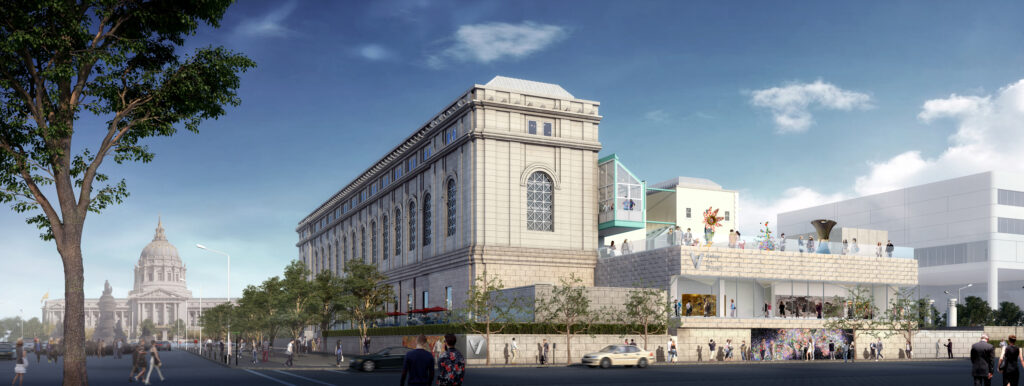
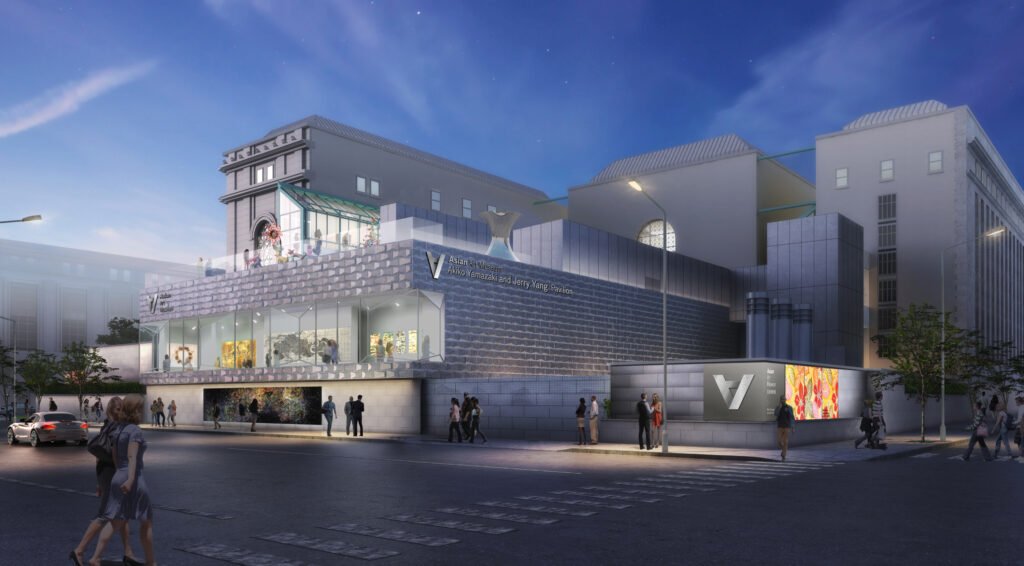
The most exciting event next year is sure to be the opening, projected for late spring, of the new Akiko Yamazaki and Jerry Yang Pavilion at the Asian Art Museum. It will add 28,000 square feet of new space, including the largest single gallery in San Francisco, an 8,500-square-foot room. The debut of the new pavilion will feature an installation by teamLab, the wildly popular Japanese collaborative behind what is reportedly now the number one tourist destination in Tokyo.
An expansive rooftop “art terrace” for contemporary sculpture and live performances will also be unveiled. The $38 million project also includes renovation of the existing 31 galleries, and renewed education classrooms and other spaces; an additional $65 million was raised for programs and to strengthen the museum’s endowment.
The new exhibition space fills a need that has existed since the Asian moved from Golden Gate Park to the Civic Center in 2003. As the San Francisco Public Library building was being re-purposed for the museum, budget constraints caused postponement of a major gallery and auditorium. The new pavilion and terrace are being constructed on that foundation.
de Young Museum
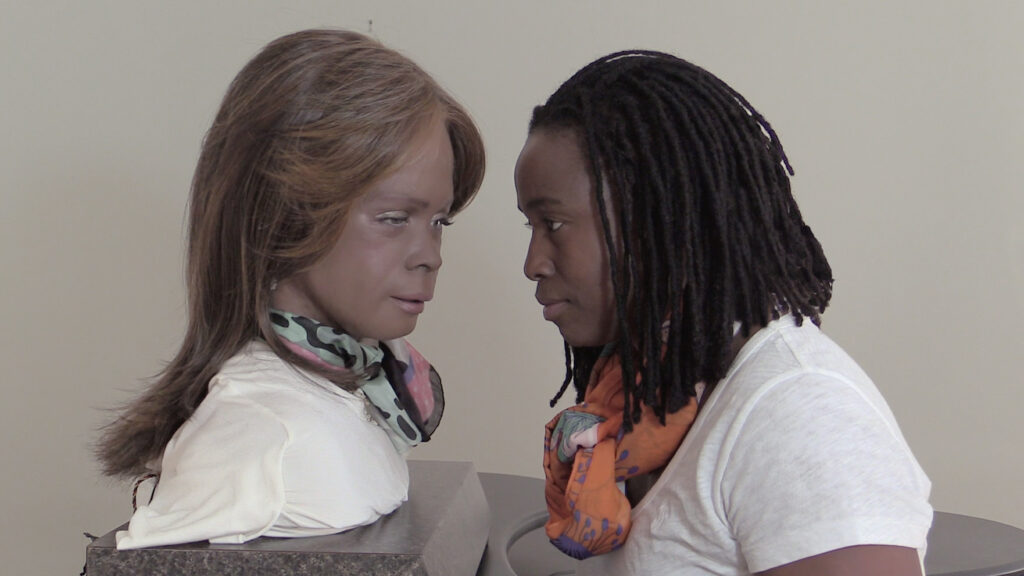
“Uncanny valley,” a 50-year-old term coined by a Japanese roboticist, is an attempt to describe the uneasy feeling stirred in the human psyche by robots and virtual beings that seem a bit too “real,” which is to say, too much like us.
A still from a video by Stephanie Dinkins, “Conversations with Bina48” (2014-present) Photo: Stephanie Dinkins, FAMSF
As starting point for her first major group exhibition for the Fine Arts Museums of San Francisco, contemporary art curator Claudia Schmuckli relates the concept to another valley, close by, named for the silicon-based industry that made it rich.
“Uncanny Valley: Being Human in the Age of AI” will be on view at the de Young for an eight-month run beginning Feb. 22. Billed by the museum as “the first major exhibition in the U.S. to explore the relationship between humans and intelligent machines through an artistic lens,” the show will include new and existing projects by 13 artists and collaborations known for their work in that arena.
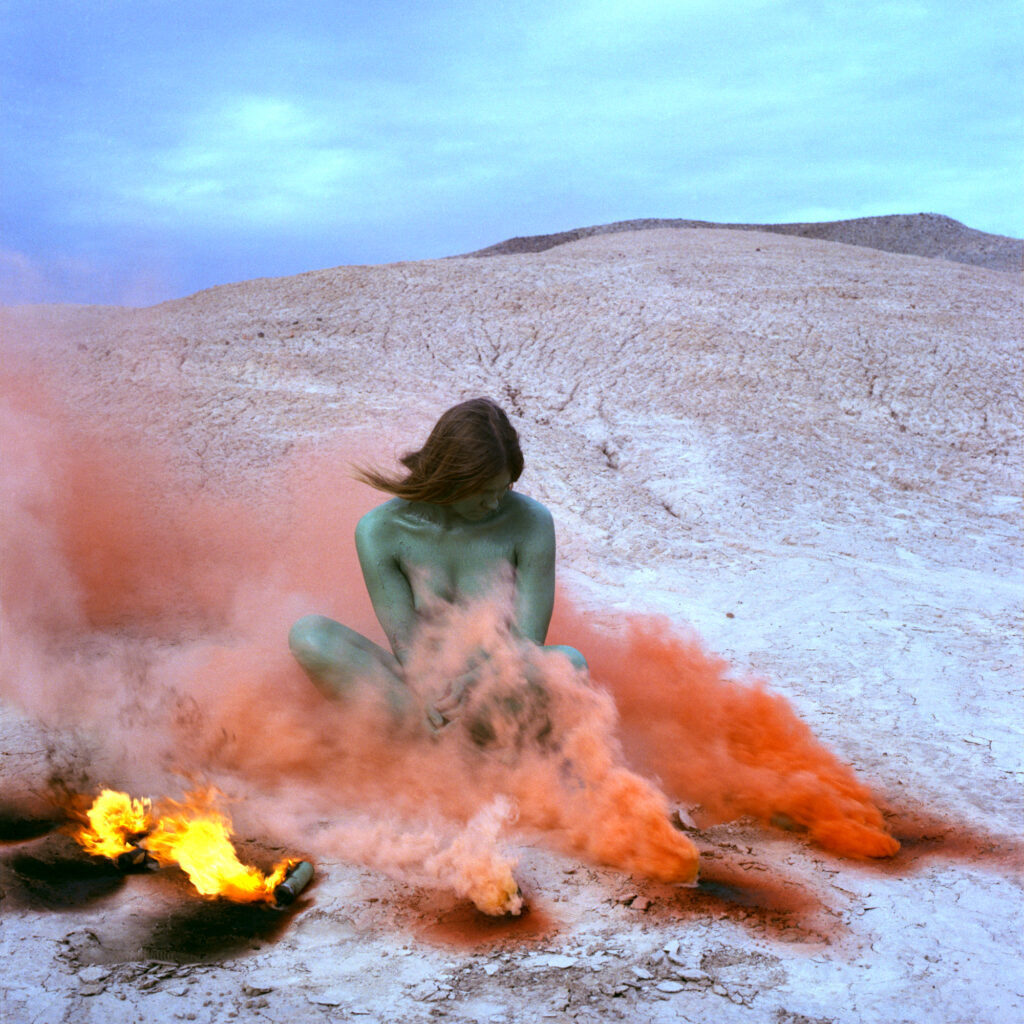
Also at the de Young — and also organized by the energetic Schmuckli — “Judy Chicago: A Retrospective” will look at the work of the 1970s feminist art pioneer who conceived the iconic work of the period, “The Dinner Party.” That entire installation, which occupies more than twice the space of the average American house, will be represented only by related objects. But the show, on view May 9 through Sept. 6, will include about 150 paintings, drawings, sculptures, prints and documents of performance-based works spanning a career of more than 40 years.
UC Berkeley Art Museum Pacific Film Archive
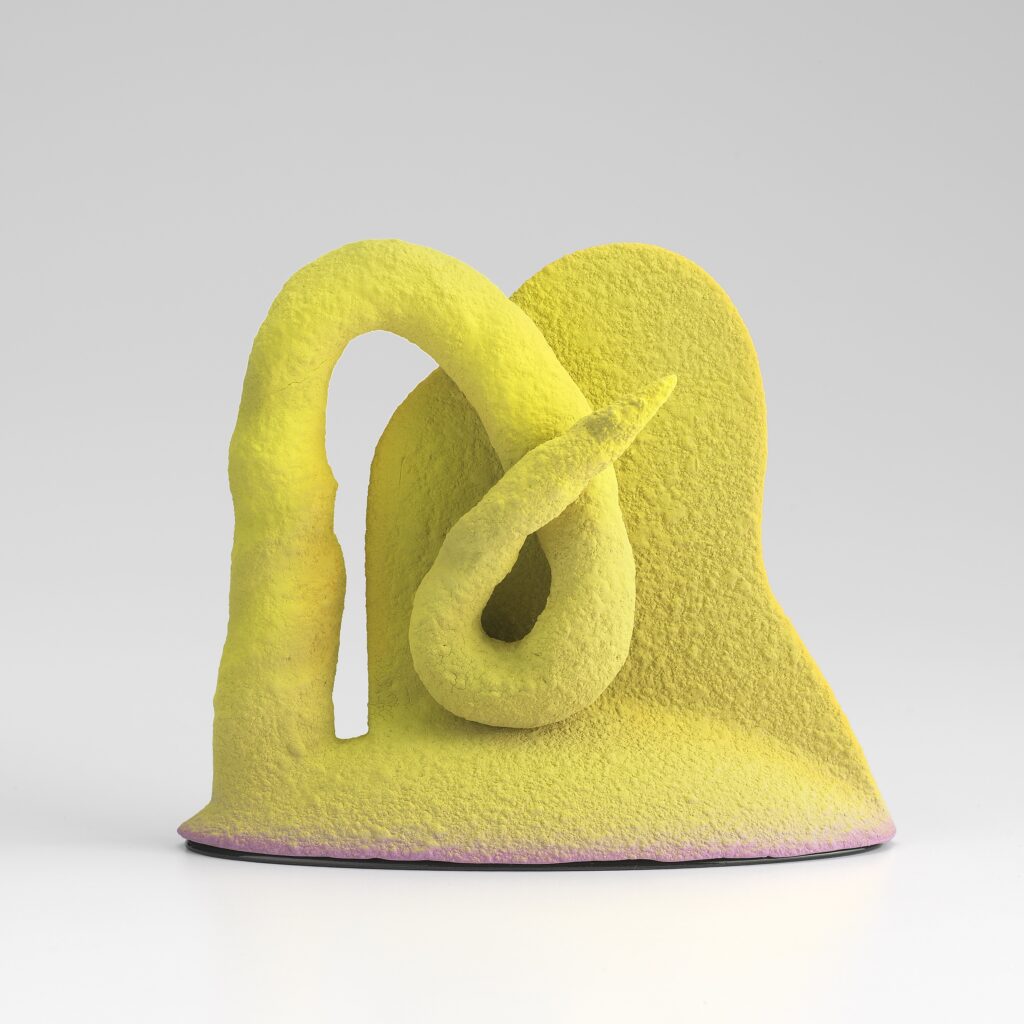
When UC Berkeley Art Museum Pacific Film Archive presents “Ron Nagle: Handsome Drifter” Jan. 15 through June 14, it will be the artist’s first major exhibition in the Bay Area in nearly 30 years.
Ron Nagle’s “Beautiful Noodler” (2008) is a ceramic sculpture just 4¾ inches tall. Photo: DTP, BAMPFA
The remarkable thing about that statement is that Nagle, who turns 81 next year, is among America’s most revered sculptors in his chosen medium. Even more striking: few of his works stand much taller or take up more shelf space than a few inches.
Yet Nagle’s intimate, precisely crafted ceramic objects, in colors and textures that range from the ethereal to the fleshly, have brought him to the attention of museums throughout the world, influencing countless artists working in all media.
San Francisco Museum of Modern Art
SFMOMA’s schedule in 2020 is chock-full of substantial fare, none of which one would want to miss.
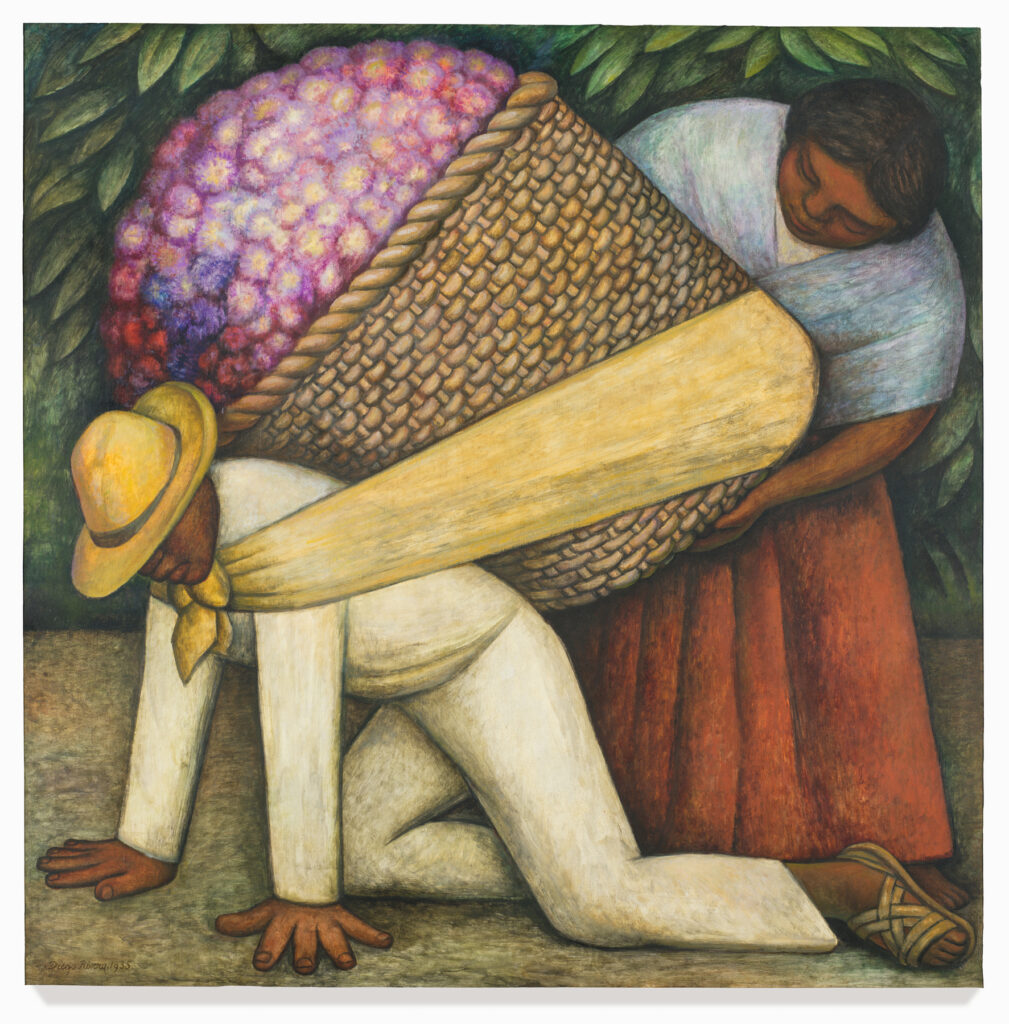
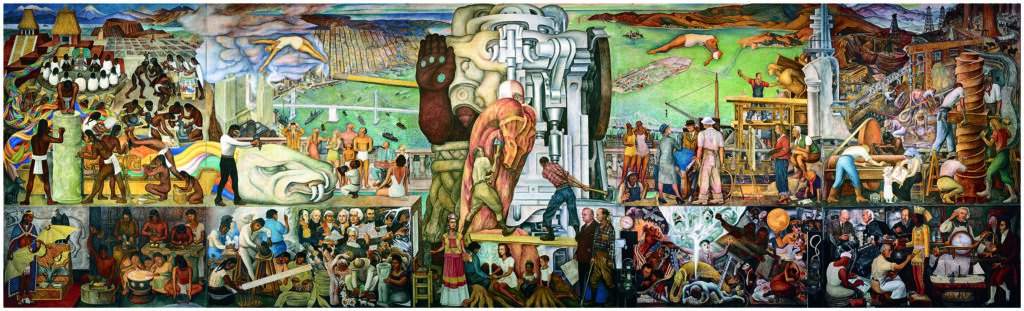
“Diego Rivera’s America” (Oct. 24-Jan. 31, 2021) will comprise some 160 works, from prints and drawings to paintings on canvas to “portable” (if barely) fresco paintings on plaster. Among the latter is the largest work by the artist in existence, a 74-foot long, 22-foot high mural created by Rivera and his team in view of the public as part of a special program of the Golden Gate International Exposition, held on San Francisco’s Treasure Island.
Made in 10 panels mounted on steel frames, “The Marriage of the Artistic Expression of the North and of the South on this Continent” was completed in 1940, some months after the formal end of the exposition. It was designed to be moved to what is now City College of San Francisco and expanded to triple its size, but the additional work was interrupted by World War II and never completed. It was unveiled at CCSF in 1961.
The massive object will be moved for the first time since then, to be installed in SFMOMA’s street-level Roberts Family Gallery on Howard St.
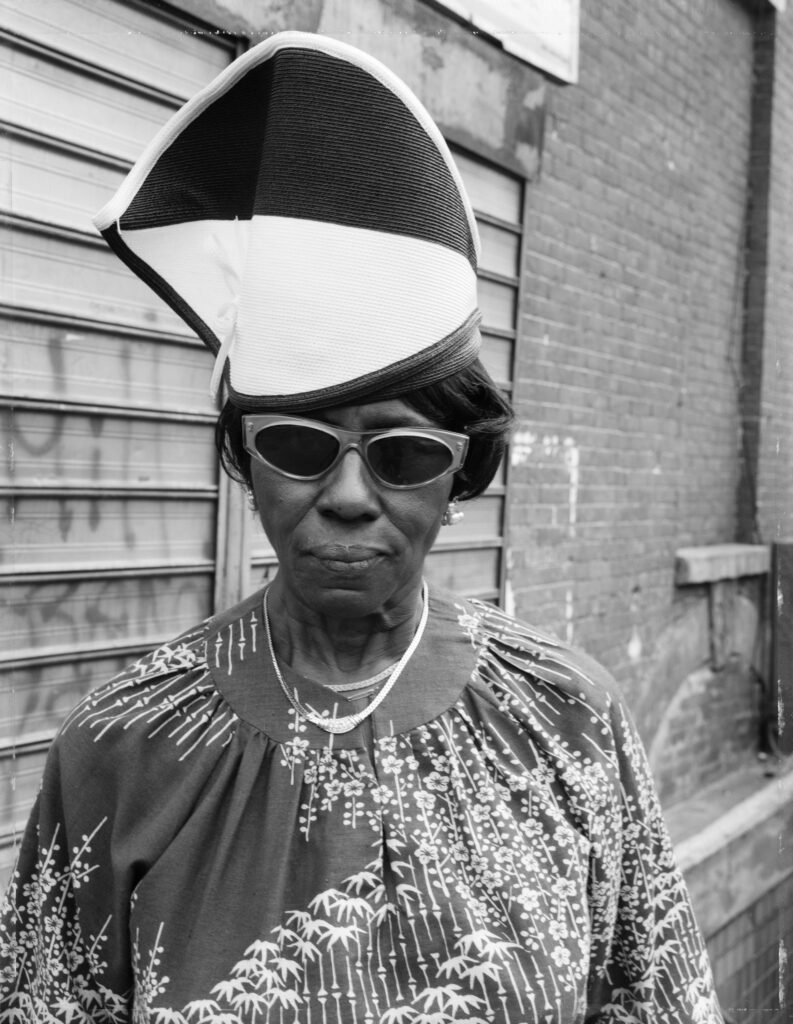
Also much anticipated is “Dawoud Bey: An American Project,” the first, full-scale retrospective of photographs by the MacArthur Fellow.
Scheduled for Feb. 15 through May 25, the exhibition will present Bey’s disparate series of works, from street photography in a more-or-less conventional documentary style that brought him to attention in the 1970s to dark landscapes that are more evocative than descriptive of the African American history they record.
“David Park: A Retrospective,” to be held April 11 through Sept. 7, will present approximately 125 paintings and works on paper by the artist who may have been destined to be the best of all those involved in development of the Bay Area Figurative style.
Sadly, Park died in 1960 at the age of 49, but he left behind an impassioned body of art that depicted the quotidian (a jazz band in rehearsal, kids on bikes, bathers at the beach) in harsh, even violent color, often mounting mask-like heads on hulking forms.
Crocker Art Museum
Sacramento’s Crocker Art Museum has reliably chronicled the history of Northern California art for many years, and there is no more iconic a representative of the region than longtime Sacramento resident Wayne Thiebaud. What museum, then, is a more likely home for an exhibition celebrating the region’s most celebrated living artist’s 100th birthday, which takes place next year on Nov. 15?
From the bakery-counter landscapes that brought him early fame, to vertiginous street scenes that both drew upon and extended the myth of San Francisco, to loving depictions of the delta region where he lives, to pictures of family and clowns that are both earthbound portraits and eternal metaphors, Thiebaud has been contemporary for much of his 100 years.
“Wayne Thiebaud 100: Paintings, Prints, and Drawings” will be displayed at the Crocker from Oct, 11 to Jan. 3 before setting off on a tour to several U.S. museums.
The Richmond District is large in terms of San Francisco neighborhoods, sandwiched for 50 blocks between Golden Gate Park and the Presidio national park site, and stretching west from the University of San Francisco to the rugged coastline of the city’s northwest corner.
The Inner Richmond, at its eastern edge, is historically Asian-American, and so rich with Chinese restaurants, shops and businesses that it is often referred to as New Chinatown. To its west, the Outer Richmond offers quieter streets and a more residential feel, although both Geary Boulevard and Balboa Street hum with diverse shops and businesses that pay tribute to the area’s multicultural heritage.
What You’ll Pay
After a period of increases, home sale prices are relatively flat. Prices are generally higher in the Inner Richmond than the Outer Richmond, sometimes significantly so, and highest along Lake Street, the area that borders the Presidio.
In 2017, 114 homes were sold in the Richmond, at a median home price of $1.65 million, according to the San Francisco Association of Realtors. In 2018, 134 homes were sold in the neighborhood at a median price of $1.8 million. So far in 2019, there have been 122 home sales, at a median price of $2 million.
For renters, studios and one-bedroom apartments run in the $2,000 to $3,000 range; larger units will cost around $4,000 or even $5,000 a month.
Click here if you’re unable to view the photo gallery on your mobile device.
Fewer houses for sale, less buying and another monthly dip in prices could be bringing a modest correction to the sky-high Bay Area housing market.
The median price for a single-family home in the nine-county region fell nearly 3 percent to $805,600 from the previous October, according to real estate data and listing firm Zillow. The median price of a home in Santa Clara County — home to Stanford University and headquarters of tech giants Apple, Google, Hewlett Packard and others — continued a 10-month retreat, falling 5.9 percent to $1.08 million.
Zillow senior economist Cheryl Young said some parts of the Bay Area have hit an “affordability ceiling” and that the declining prices could be seen as a small market correction after years of soaring values.
“We’re starting to see things slow down,” Young said, “but that doesn’t mean it’s less expensive in some of these areas.”
The trend lines for the region’s home sales still show strong demand and limited supply, benefiting long-term owners and sending entry-level prices higher in some communities. But year-over-year median single-family home prices in the Bay Area have been sliding since June, according to Zillow data.
Median prices edged up 1.4 percent in the more affordable suburbs of Contra Costa County to $650,800 and jumped 3.3 percent in the region’s most expensive city, San Francisco, to $1.4 million.
But prices dipped elsewhere: San Mateo dropped 1.4 percent to $1.31 million, and Alameda slumped 1.2 percent to $855,200, according to Zillow.
Price cuts have become more common in some cities. Zillow data shows that in San Jose and San Francisco, more sellers were willing to cut their prices this year than last.
Young said the retreat in Santa Clara County prices suggested high listings have been unsustainable over the long-term, with affordability a big concern for buyers.
“There’s not a lot of supply out there,” Young said.
Homes on the market are still selling quickly. Homes typically sold at the same pace in October as they did the year before. Houses listed in Alameda and San Francisco took 15 days to sell and took 12 days in San Mateo County, the same as the year before, according to data from the California Association of Realtors (CAR).
In Santa Clara County, homes took an average of 18 days to sell in October — four days longer than the previous year, according to CAR. Contra Costa County homes went from an average of 16 to 17 days on the market during the same period.
Local agents say the market has settled into a less-frenzied, more-predictable pace. Buyers are more cautious.
Nancie Allen, an agent with MasterKey in Fremont, said tight inventory is limiting buyer choices, and homes priced competitively move quickly. Still, fewer home sales and bidding wars have calmed buyers. “It feels like everyone is taking a breath,” Allen said.
Compass agent Mark Wong, of Saratoga, said Santa Clara County homes near tech companies remain popular with young, professional families. For example, a home in Saratoga recently listed for $2.2 million received 17 offers and sold in about a week for $2.6 million, he said.
But other properties have been selling closer to listing prices. For homes in good school districts “the market is still pretty hot,” Wong said. “There’s still a lot of buyers who want to buy.”
Wendy and Aidan Leu are information tech workers who bought a four-bedroom home in Sunnyvale in October. They worked their way up the property ladder, first buying a condo in 2006 and trading up for a townhome in 2014.
Wendy Leu, 40, a Bay Area native, said the family wanted more room for their children, ages 8 and 10. They also wanted to ensure the right school district for their kids — Cupertino Union.
The couple had a key ally — Leu’s parents in Cupertino, who let the family stay with them for four months while they sold their townhome and looked for a single-family house.
The townhome sold for about 50 percent more than they paid for it, and that helped them go on a home search with a budget of around $2 million, Wendy Leu said. The family spent two full days looking at about a dozen homes in the Cupertino Union School District.
The search was easier than they had five years ago, Leu said, when every home sold “super quick, super high.”
They landed on a remodeled four-bedroom, three-bathroom home just a few miles from her parents. At $1.83 million, they felt like they got a good deal. “I fell in love with this house,” she said.
The former Getty mansion at 2900 Vallejo brought in the biggest price tag this year at $27 million. It was completely remodeled but still maintained its classic style and appeal.
The former Getty mansion at 2900 Vallejo brought in the biggest price tag this year at $27 million. It was completely remodeled but still maintained its classic style and appeal.
Photo: Jacob Elliot
Caption
Close
The former Getty mansion at 2900 Vallejo brought in the biggest price tag this year at $27 million. It was completely remodeled but still maintained its classic style and appeal.
The former Getty mansion at 2900 Vallejo brought in the biggest price tag this year at $27 million. It was completely remodeled but still maintained its classic style and appeal.
Photo: Jacob Elliot
No San Francisco properties could top the two $30-million-plus homes that closed last year, but the ultra-high-end market continued to bring in some pretty impressive prices in 2019.
The biggest sale of the year was 2900 Vallejo in Pacific Heights, which went for $27 million in April after coming to market at $29 million in February.
That’s a relatively quick turnaround for a house at such a lofty price point. Several homes in the top tierthat came on this year have yet to find a buyer. But listing agent Ludovico Mazzola, who co-listed the home with his brother and business partner Michelangelo, said the home went quickly because of its stellar location and brand-new finishes.
“Everything was touched during the remodel so the new owners didn’t have to lift a finger,” he said. “When we worked with the seller during the renovation, we made sure to advise on every minute detail to ensure maximum appeal to potential buyers.”
The five-story mansion was built in 1912 and purchased by Vanessa and William Getty in the early 2000s. They sold to the developers in 2015 for $12.5 million. The sellers never intended to live in the home, said Mazzola, but instead bought it knowing they would be taking on a years-long renovation that would update the property for today’s buyer while recreating its historic charm with newer materials. (Only the “stately” lions out front are original, said Mazzola.) That combination of traditional style and modern amenities — like a top-floor entertaining space with a retractable roof — combined with a premiere location, seems to have done the trick.
“I can’t speak much about the buyers, but at a high level, the turn-key aspect and location were the draw,” said Mazzola.
Pac Heights and nearby Presidio Heights are often the neighborhoods that bring in the top sales each year, and that was true again this year as the second-highest sale went to 3760 Washington St. The 1926 nine-bedroom, over-10,000-square-foot home just south of the Presidio Wall sold for $26.5 million in March.
But the location of the third-highest sale this year was a bit of a surprise. In February, 89 Belgrave sold for $22 million — a new record for its Clarendon Heights locale. Listing agent Neal Ward believes the new-build home brought in its unprecedented price because of its “unparalleled architecture, finished at a level never seen before,” as well as its stunning Golden Gate Bridge to Salesforce Tower views and private location. He says the fully furnished home was a hit among the few high-end buyers who got a chance to see it before it was snapped up; it went into contract before it even hit the open market.
While the sale is an outlier for the neighborhood, Ward believes that could change in the future. “On secluded private locations with views, there is definitely a market for turn-key finished and done properties,” he said.
The top homes sold in other locations throughout the city this year certainly fit that description. In Sea Cliff, the top sale for the year was 140 Sea Cliff, which sits directly above the Pacific Ocean and has unobstructed views from its substantial main-floor patio, upper-level master bedroom and rooftop hot tub. Despite being built in 1920, the 6,300-square-foot five bedroom has undergone substantial renovations over the years. It came on in June asking $19.5 million and sold for $18 million at the end of July.
The biggest sale in Nob Hill was 1350 Jones, a 1909 property with a studs-out remodel that combines its classic facade with modern design and amenities like an elevator, wine cellar, media room and open entertaining space with panoramic views from Coit Tower to the Bay Bridge. With a mere 5,200-square-feet and the busiest location of the bunch — just two blocks from Grace Cathedral — it sold for $12,750,000 in early December.
Emily Landes is a writer and editor with an obsession with all things real estate.