Bay Area’s dropping rents will reshape housing market

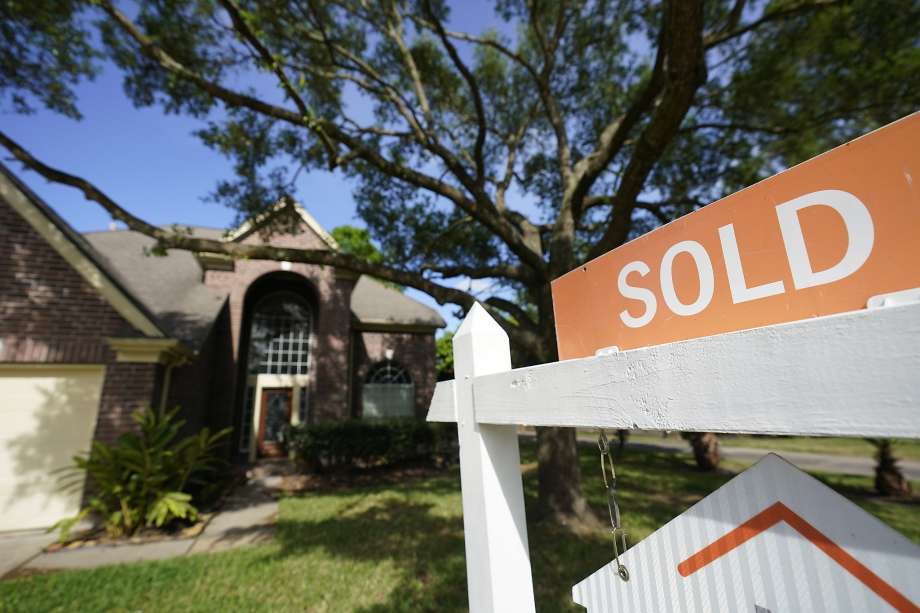
The coronavirus pandemic is driving rents down in San Francisco and across the region, reshaping a housing market that for the past decade has generated enormous profits for residential developers while displacing tens of thousands of workers from the inner Bay Area.

Rents are down 9% from a year ago in San Francisco and over 15% in some tech hubs in the South Bay, according to a recent report by Zumper, a rental housing search engine. That trend will likely accelerate as layoffs mount and workers, newly liberated by work-from-home options, flee the Bay Area for cheaper cities, according to housing experts.

While it’s too early to say whether the current health crisis will be a short-term dip or a longer-term correction in the cost of housing, it’s clear that in the next few months, renters looking for housing in the Bay Area will get a lot more for their money than they did a year or two ago. Owners are increasingly scrambling to get tenants to sign leases, offering months of free rent, signing bonuses, and other discounts. New market-rate housing development is likely to stop, as builders wait to see how far rents tumble.

“The balance of power has shifted to the tenants — there is no question about it,” said Joe Tobener, an attorney who represents tenants.

Many landlords are proactively cutting rent — usually by 10% or 15% — as an incentive for tenants to stay, Tobener said. Other tenants are taking the matter into their own hands — reaching out to see if their current landlord will give them a better deal.

That was the case for Zenab Keita, who lives in the Landing, a 282-unit apartment complex in Oakland’s Jack London Square. Keita signed her lease in June 2019 for $2,600 a month. While she has managed to hold onto her job managing corporate partnerships in sports and entertainment, 66% of her compensation is contingent on deals, and those have vanished during the pandemic.

With her lease set to expire in June, Keita approached her landlord, Essex Property Trust, to see if she could get $400 or $500 taken off her monthly rent.

“They came back and offered $67 off,” she said. “I was like ‘You should not have even written that email. That was a waste of everybody’s time.’”

Meanwhile, as she started looking around for new places, she saw that her landlord was giving away eight free weeks of rent and a $1,000 signing bonus to folks willing to sign a year lease in her building. When she asked if she could get a similar deal, she was turned down. It wasn’t until she told them she would be moving out that they offered her eight free weeks in addition to the $67 reduction, which averaged over a year means that she will be paying $2111 a month.

 Bay Areas dropping rents will reshape housing market

She signed the lease. “It was a big lesson that closed mouths don’t get fed,” she said.

Essex Property Trust did not respond to a request for comment.

While Oakland saw so much rent appreciation in the first half of 2020 that it is still up 4.7% from June of 2019, that will likely not last. Oakland, which has been furiously producing housing over the last two years, has about 10,000 units either under construction or recently completed. This includes 2,600 units being built around the Broadway-Valdez neighborhood.

John Pawlowski, a senior analyst covering the apartment market for Green Street Advisors, said that Oakland housing — most of it targeting high-wage earners — could take a long time to fill up with renters. And competition will be fierce with continued free rent incentives. He said demand for new condos will be “very, very thin as the impact of job losses spreads across industries.”

“In the Bay Area, particularly in luxury properties, we will see rents fall further than the national average,” he said. “A lot of landlords will hold the sticker rent and give two months free. But whether the landlord actually drops the rent or decides to lower rent, it amounts to the same thing. The tenant pays less and it’s lost revenue for the landlord.”

Ken Rosen, an economist at UC Berkeley, said that very few market-rate projects will break ground in the foreseeable future. “New developments were not penciling anyway,” Rosen said. (A profitable development is said to “pencil out” in the industry.) “New development going forward will be limited to subsidized affordable housing.”

He said the greater Civic Center area in San Francisco — where there are 2,000 units under construction — would likely see steeper declines than other parts of the city, largely because of the homeless encampments and drug dealing that have spread throughout the neighborhood during the health emergency. “The proliferation of tents has made a lot of people uneasy,” he said. “The remote working possibility is real and whether it be Salt Lake (City) or Portland, there are a lot more affordable places people can go and have a better quality of life.”

For affordable housing developers, the drop in rents will be a mixed bag. The cost of land and construction could both drop, making it cheaper to build housing financed with public subsidies. But both Oakland and San Francisco will lose out on millions of dollars of fees that market-rate developers pay.

“In a lot of ways the affordable housing industry is more stable than the market-rate housing industry,” said Fernando Marti, co-director of the Council of Community Housing Organizations. “In the recession the market-rate housing disappears. With our buildings, the funding has already been committed.”

But even a 20% drop in market-rate rents doesn’t do much to make the region more affordable for the majority of the essential workers priced out of the current market — the waiter, janitor, home health aide, retail clerk, bus driver or preschool teacher for whom working from home is not a possibility.

“These are not people who are going to have the privilege of being able to move somewhere else and maintain their jobs,” he said.

How to renegotiate your lease

Survey the market to see what owners of comparable buildings are offering in terms of free rent, signing bonuses and other incentives. If you are in a large building that has a website, you can see what deals the owner is offering to new tenants. Also check Craigslist.

Talk to newcomers in your building about what deals they were offered.

Bring up the fact that the courts are closed and it will likely be 2021 before eviction cases are heard. And even then there will be a huge backlog in cases that will take months to clear.

Remind your landlord that thousands of people are leaving the Bay Area and that it could take months or years before all the vacant units are leased.

Keita, the Oakland resident who successfully got her rent lowered, said she has four friends who have moved out of the Bay Area since the coronavirus health crisis started. Meanwhile, “every day there are moving trucks” at her Jack London Square complex.

“These units are emptying out. There are people moving every day. The parking lot is more open every day,” she said. “People should definitely take advantage of this time to ask for a better deal. As desperate as we are to hold on to a roof over our head, landlords are just as desperate to fill their empty spots.”

J.K. Dineen is a San Francisco Chronicle staff writer. Email: jdineen@sfchronicle.com Twitter: @sfjkdineen

Article source: https://www.sfchronicle.com/business/article/Bay-Area-s-dropping-rents-will-reshape-housing-15326103.php
Posted in SF Bay Area News | Tagged | Leave a comment

Wealthy buyers reportedly in ‘mad rush’ to leave San Francisco


b4943 920x1240 Wealthy buyers reportedly in mad rush to leave San Francisco

The demand for real estate is unexpectedly high in wealthy regions outside of San Francisco.

The demand for real estate is unexpectedly high in wealthy regions…


Amid the depths of a global pandemic and financial downturn, the demand for real estate is unexpectedly rocketing in wealthy regions outside San Francisco, reports Bloomberg. Agents say that demand is soaring in affluent areas around the Bay Area such as Napa, Marin and further afield in Carmel, as people who have the means look to get away from the city. Meanwhile, the market in San Francisco and Alameda County is still well below where it was last year.


Elsewhere, Lake Tahoe has also seen a surge in real estate interest. The prospect of living out of the city on an alpine lake while maintaining a career is appealing for a new generation of young buyers, as many tech companies have signaled that remote work may be the new norm for a long time.

“I’ve never seen the demand higher for Marin County real estate than when COVID-19 hit,” Sotheby’s Josh Burns told Bloomberg this week, as real estate agents see a surprising uptick in wealthy buyers leaving San Francisco.


Agent Katrina Kehl of Compass warned her sellers not to expect much interest in their recent Mill Valley listing, as the country moves through an economic crisis. To their surprise, the couple received 13 bids and the home went over the $1.7 million asking price by “a lot,” Kehl told Bloomberg. Sotheby’s agent Ginger Martin added that “there’s a mad rush to get out of the city.”


Meanwhile, the rental market in San Francisco has dropped significantly, with rates for one-bedroom apartments in the city dropping by 9.2% since June 2019, and hitting a three-year low.


However, buying a new home in an isolated haven in a nearby bucolic county is not an option for lower-income San Francisco residents, and some believe the trend is only exacerbating the wealth divide.

“This is an example of another way the most advantaged, the most affluent have isolated themselves from this latest crisis,” Patrick Sharkey, a sociology professor at Princeton University, told Bloomberg. “It’s a very small segment of the population that has another home that they can go take off to.”

Whether this change in demand away from San Francisco and into the suburbs is a short-lived reaction to the pandemic, or a more permanent change, remains to be seen.

For the full Bloomberg story, read more here. 

Andrew Chamings is a digital editor at SFGATE. Email: Andrew.Chamings@sfgate.com | Twitter: @AndrewChamings

Article source: https://www.sfgate.com/living-in-sf/article/Wealthy-buyers-in-mad-rush-to-leave-SF-15324574.php

Posted in SF Bay Area News | Tagged | Leave a comment

Attic studio with bathtub only: Guess the rent in San Francisco

It’s no secret that Bay Area living is expensive, so much so that many people are leaving or coming up with some very creative solutions. If you’ve ever searched for a new apartment online, you’ve undoubtedly come across a place where the images make your jaw drop at the photos and price – and NOT in a good way. Welcome to the series we’re calling, “Guess how much this rents for in San Francisco.”

This furnished attic studio in the Sunset is for rent.

Article source: https://www.sfgate.com/realestate/slideshow/Attic-studio-with-bathtub-only-Guess-the-rent-sf-203346.php

Posted in SF Bay Area News | Tagged | Leave a comment

California housing market feels full brunt of coronavirus outbreak in April, CAR reports

LOS ANGELES, May 18, 2020 /PRNewswire/ – California home sales dropped sharply in April from both the previous month and year as the housing market began to feel the full impact of the coronavirus outbreak and the state’s stay-at-home order, the CALIFORNIA ASSOCIATION OF REALTORS® (C.A.R.) said today. 

Closed escrow sales of existing, single-family detached homes in California totaled a seasonally adjusted annualized rate of 277,440 units in April, according to information collected by C.A.R. from more than 90 local REALTOR® associations and MLSs statewide. The statewide annualized sales figure represents what would be the total number of homes sold during 2020 if sales maintained the April pace throughout the year. It is adjusted to account for seasonal factors that typically influence home sales.

April’s sales total was down 25.6 percent from the 373,070 level in March and down 30.1 percent from a year ago. It was the first time home sales dropped below the 300,000 level since March 2008, and the month-to-month drop was the largest since at least 1979, when C.A.R. began tracking this data. Additionally, the year-over-year decline was the first double-digit loss in 15 months and the largest decrease since December 2007.

“As expected, California home sales experienced the worst month-to-month sales decline in more than four decades as the coronavirus pandemic prompted stay-at-home orders, which kept both buyers and sellers on the sidelines,” said 2020 C.A.R. President Jeanne Radsick, a second-generation REALTOR® from Bakersfield, Calif. ”While some economic activity will resume as the state gradually reopens, the housing market is expected to remain sluggish for the next couple of months as potential market participants deal with the impact of stay-in-place restrictions.”

While the statewide median price remained above the $600,000 benchmark for the second consecutive month in April, price growth showed clear signs of softening when compared to the past six months. The April statewide median price of $606,410 for existing single-family homes in the state dipped 1.0 percent from March, and the 0.6 percent gain was essentially flat from April 2019, when the median price was $603,030. The year-over-year price gain was substantially smaller than the six-month average gain of 7.8 percent recorded between October 2019 and March 2020.

“With the recession-level decline in closed home sales, the statewide median price was just barely able to avoid going into negative territory in April, in part because high-end homes saw the biggest sales declines,” said C.A.R. Senior Vice President and Chief Economist Leslie Appleton-Young. “Even with tight supply and low interest rates, home prices will continue to be tested by economic deterioration in the short term.”

Reflecting the dramatic change in market conditions, a monthly Google poll conducted by C.A.R. in early April found nearly one-third (29 percent) of consumers said it is a good time to sell, up from 26 percent a month ago, but down from 45 percent a year ago. The market uncertainty has not curbed the optimism for homebuying as much; 31 percent of the consumers who responded to the poll believed that now is a good time to buy a home, sharply higher than last year, when 22 percent said it was a good time to buy a home.

Other key points from C.A.R.’s April 2020 resale housing report include:

  • At the regional level, all major regions dipped in sales by more than 25 percent from last year, with the Bay Area dropping the most at -37.4 percent, followed by the Central Coast (-31.6 percent), Southern California (-30.2 percent), and the Central Valley (-26.1 percent).
  • Forty-seven of the 51 counties tracked by C.A.R. recorded a year-over-year sales loss in April, with Mono declining the most from last year at -62.5 percent, followed by Marin (-60.6 percent), and San Francisco (-52.8 percent). Counties that experienced a sales decline from last year averaged a loss of 29.1 percent from the previous year. Four counties increased in sales from last year, with Del Norte growing the most at 21.1 percent, followed by Kings (13 percent), Mariposa (8.3 percent), and Lake (3.4 percent).
  • Median prices dipped in April from a year ago in the Central Coast (-6.1 percent) and the Bay Area (-0.8 percent) but increased modestly in both the Central Valley (4.8 percent) and in Southern California (3.5 percent).
  • Thirty-nine of the 51 counties tracked by C.A.R. reported a year-over-year price gain in April, with Siskiyou growing the most at 24.8 percent. Of the 12 counties that experienced a price drop from last April, Plumas had the biggest decline of 36.1 percent. 
  • C.A.R.’s Unsold inventory Index jumped to 3.4 months in April from 2.7 months in March and was unchanged from last April. The index indicates the number of months it would take to sell the supply of homes on the market at the current rate of sales.
  • Total active listings continued to decline on a year-over-year basis for the 10th consecutive month, and the 25 percent decrease in listings was consistent with what has been observed before the shutdown.
  • The median number of days it took to sell a California single-family home fell significantly from a year ago, declining from 21 days in April 2019 to 13 days in April 2020.
  • C.A.R.’s statewide sales-price-to-list-price ratio* was 100 percent in April 2020, up from 98.9 in April 2019.
  • The statewide average price per square foot** for an existing single-family home was $284 in April 2020 and $289 in April 2019.
  • The 30-year, fixed-mortgage interest rate averaged 3.31 percent in April, down from 4.14 percent in April 2019, according to Freddie Mac. The five-year, adjustable mortgage interest rate was an average of 3.31 percent, compared to 3.75 percent in April 2019.

Note:  The County MLS median price and sales data in the tables are generated from a survey of more than 90 associations of REALTORS® throughout the state and represent statistics of existing single-family detached homes only. County sales data are not adjusted to account for seasonal factors that can influence home sales. Movements in sales prices should not be interpreted as changes in the cost of a standard home. The median price is where half sold for more and half sold for less; medians are more typical than average prices, which are skewed by a relatively small share of transactions at either the lower end or the upper end. Median prices can be influenced by changes in cost, as well as changes in the characteristics and the size of homes sold. The change in median prices should not be construed as actual price changes in specific homes.

*Sales-to-list-price ratio is an indicator that reflects the negotiation power of home buyers and home sellers under current market conditions. The ratio is calculated by dividing the final sales price of a property by its last list price and is expressed as a percentage. A sales-to-list ratio with 100 percent or above suggests that the property sold for more than the list price, and a ratio below 100 percent indicates that the price sold below the asking price.

**Price per square foot is a measure commonly used by real estate agents and brokers to determine how much a square foot of space a buyer will pay for a property. It is calculated as the sale price of the home divided by the number of finished square feet. C.A.R. currently tracks price-per-square foot statistics for 50 counties.

Leading the way…® in California real estate for more than 110 years, the CALIFORNIA ASSOCIATION OF REALTORS® (www.car.org) is one of the largest state trade organizations in the United States with more than 200,000 members dedicated to the advancement of professionalism in real estate. C.A.R. is headquartered in Los Angeles. 

April 2020 County Sales and Price Activity

(Regional and condo sales data not seasonally adjusted)


April 2020

Median Sold Price of Existing Single-Family Homes

Sales

State/Region/County

April

2020

March

2020


April

2019


Price

MTM%

Chg

Price

YTY%

Chg

 Sales

MTM%

Chg

 Sales

YTY%

Chg

Calif. Single-family homes

$606,410

$612,440


$603,030

r

-1.0%

0.6%

-25.6%

-30.1%

Calif. Condo/Townhomes

$488,000

$495,000


$470,000


-1.4%

3.8%

-34.8%

-40.9%

Los Angeles Metro Area

$550,000

$556,250


$536,450


-1.1%

2.5%

-21.2%

-30.9%

Central Coast

$657,000

$690,000


$699,450


-4.8%

-6.1%

-22.1%

-31.6%

Central Valley

$346,500

$350,000


$330,730


-1.0%

4.8%

-13.1%

-26.1%

Inland Empire

$390,000

$399,000


$378,240


-2.3%

3.1%

-24.9%

-28.6%

San Francisco Bay Area

$980,000

$1,009,790


$988,000


-3.0%

-0.8%

-16.2%

-37.4%


San Francisco Bay Area


Alameda

$1,030,000

$970,500


$940,000


6.1%

9.6%

-7.0%

-37.8%

Contra Costa

$710,000

$711,000


$679,000


-0.1%

4.6%

-17.2%

-32.1%

Marin

$1,365,000

$1,376,000


$1,350,000


-0.8%

1.1%

-34.9%

-60.6%

Napa

$750,000

$764,000


$705,000


-1.8%

6.4%

0.0%

-30.9%

San Francisco

$1,699,500

$1,655,000


$1,632,500


2.7%

4.1%

-35.0%

-52.8%

San Mateo

$1,640,000

$1,750,000


$1,601,000


-6.3%

2.4%

-30.1%

-48.8%

Santa Clara

$1,388,890

$1,400,000


$1,315,000


-0.8%

5.6%

-10.8%

-35.6%

Solano

$482,500

$457,950


$435,000


5.4%

10.9%

-15.6%

-25.2%

Sonoma

$657,880

$694,000


$645,000


-5.2%

2.0%

-16.9%

-33.1%

Southern California


Los Angeles

$565,170

$567,910


$544,170


-0.5%

3.9%

-15.5%

-30.6%

Orange

$861,000

$882,000


$825,000


-2.4%

4.4%

-27.1%

-36.7%

Riverside

$435,000

$435,000


$423,000


0.0%

2.8%

-29.2%

-31.1%

San Bernardino

$325,000

$316,000


$305,000


2.8%

6.6%

-16.7%

-24.2%

San Diego

$671,000

$675,000


$649,000


-0.6%

3.4%

-15.9%

-27.0%

Ventura

$675,000

$705,000


$650,000


-4.3%

3.8%

-12.5%

-29.6%

Central Coast


Monterey

$660,000

$680,000


$600,000


-2.9%

10.0%

-27.5%

-42.7%

San Luis Obispo

$600,000

$619,000


$650,000


-3.1%

-7.7%

-25.5%

-26.0%

Santa Barbara

$600,000

$645,000


$760,500


-7.0%

-21.1%

-19.1%

-25.5%

Santa Cruz

$949,500

$925,000


$977,750


2.6%

-2.9%

-10.5%

-33.8%

Central Valley


Fresno

$290,000

$282,500


$271,250


2.7%

6.9%

-9.8%

-20.3%

Glenn

$282,000

$288,500


$241,250


-2.3%

16.9%

-6.3%

-31.8%

Kern

$272,000

$259,480


$250,000


4.8%

8.8%

-12.2%

-29.6%

Kings

$260,900

$250,000


$240,000


4.4%

8.7%

10.1%

13.0%

Madera

$306,500

$285,000


$271,950


7.5%

12.7%

1.5%

-22.8%

Merced

$273,900

$280,000


$276,000


-2.2%

-0.8%

-4.1%

-13.2%

Placer

$510,000

$500,000


$498,500


2.0%

2.3%

-29.8%

-36.2%

Sacramento

$400,000

$400,000


$385,000


0.0%

3.9%

-14.1%

-31.8%

San Benito

$614,950

$605,000


$550,900


1.6%

11.6%

-31.7%

-47.2%

San Joaquin

$395,000

$395,000


$375,000


0.0%

5.3%

-15.5%

-22.8%

Stanislaus

$350,000

$340,000


$319,500


2.9%

9.5%

-8.7%

-23.6%

Tulare

$252,750

$254,480


$244,950


-0.7%

3.2%

-5.6%

-12.3%

Other Calif. Counties


Amador

$350,000

$335,000


$336,500

r

4.5%

4.0%

-37.3%

-28.8%

Butte

$377,500

$365,000


$360,000


3.4%

4.9%

0.0%

-12.1%

Calaveras

$332,250

$352,000


$340,000


-5.6%

-2.3%

-32.0%

-21.8%

Del Norte

$240,000

$233,500


$216,500


2.8%

10.9%

64.3%

21.1%

El Dorado

$500,000

$507,500


$524,000


-1.5%

-4.6%

-18.4%

-11.8%

Humboldt

$317,000

$330,000


$305,000


-3.9%

3.9%

-12.0%

-36.0%

Lake

$272,000

$275,500


$262,400


-1.3%

3.7%

-12.9%

3.4%

Lassen

$167,000

$230,000


$200,950


-27.4%

-16.9%

-21.1%

-25.0%

Mariposa

$330,000

$335,000


$286,500


-1.5%

15.2%

18.2%

8.3%

Mendocino

$395,000

$382,810


$418,500


3.2%

-5.6%

-42.2%

-15.9%

Mono

$801,250

$665,000


$717,250


20.5%

11.7%

-50.0%

-62.5%

Nevada

$460,000

$425,000


$397,000


8.2%

15.9%

-38.3%

-36.3%

Plumas

$252,500

$287,500


$395,000


-12.2%

-36.1%

83.3%

-15.4%

Shasta

$288,500

$310,000


$275,000


-6.9%

4.9%

-14.8%

-23.5%

Siskiyou

$260,250

$244,000


$208,500


6.7%

24.8%

-36.4%

-36.4%

Sutter

$300,000

$318,050


$305,000


-5.7%

-1.6%

12.5%

-7.4%

Tehama

$217,500

$280,000


$232,500


-22.3%

-6.5%

0.0%

-21.7%

Tuolumne

$299,000

$300,000


$316,000


-0.3%

-5.4%

-16.9%

-18.1%

Yolo

$460,820

$463,500


$419,330


-0.6%

9.9%

-15.2%

-34.5%

Yuba

$328,900

$309,440


$268,000


6.3%

22.7%

-22.0%

-4.1%

April 2020 County Unsold Inventory and Days on Market

(Regional and condo sales data not seasonally adjusted)


April 2020

Unsold Inventory Index

Median Time on Market

State/Region/County

April

2020

March

2020


April

2019


April

2020

March

2020


April

2019


Calif. Single-family homes

3.4

2.7


3.4


13.0

15.0


21.0


Calif. Condo/Townhomes

3.5

2.3


3.1


13.0

14.0


22.0


Los Angeles Metro Area

3.6

2.8


3.9


16.0

19.0


30.0


Central Coast

4.5

3.0


4.3


12.0

17.0


23.0


Central Valley

3.0

2.6


3.0


10.0

13.0


16.0


Inland Empire

3.9

3.0


4.1


24.0

29.0


37.0


San Francisco Bay Area

2.9

2.1


2.6


11.0

12.0


15.0


San Francisco Bay Area


Alameda

1.9

1.7


2.0


9.0

10.0


13.0


Contra Costa

2.6

1.9


2.7


9.0

10.0


13.0


Marin

5.4

2.1


3.1


30.5

25.0


24.0


Napa

6.6

5.5


5.8


30.0

37.0


49.5


San Francisco

2.7

1.5


1.6


14.0

14.0


15.0


San Mateo

3.3

2.0


2.0


9.0

10.0


12.0


Santa Clara

2.5

2.0


2.4


8.0

8.0


11.0


Solano

2.9

2.4


3.0


25.0

28.0


33.0


Sonoma

5.1

3.6


4.0


40.0

37.0


33.5


Southern California


Los Angeles

3.3

2.6


3.5


12.0

15.0


24.0


Orange

3.7

2.5


3.8


10.0

11.0


21.0


Riverside

3.9

2.9


4.1


24.0

29.0


39.0


San Bernardino

3.9

3.3


4.1


24.0

30.0


35.0


San Diego

2.7

2.4


3.1


8.0

10.0


17.0


Ventura

4.6

3.9


4.9


38.0

38.0


47.0


Central Coast


Monterey

5.3

3.7


4.0


10.0

21.0


27.0


San Luis Obispo

4.6

3.4


4.5


14.5

20.0


22.0


Santa Barbara

4.0

1.7


4.8


16.0

20.0


27.0


Santa Cruz

4.2

3.4


3.6


9.0

11.0


14.0


Central Valley


Fresno

3.1

3.0


3.4


11.0

14.0


17.0


Glenn

4.3

3.8


3.8


69.0

27.5


20.5


Kern

3.1

2.7


2.8


12.0

15.0


12.0


Kings

2.2

2.8


4.6


12.0

31.0


24.0


Madera

4.8

5.1


4.3


28.5

30.5


36.0


Merced

2.7

3.1


3.8


13.5

23.0


26.0


Placer

3.7

2.2


2.8


9.0

10.0


14.0


Sacramento

2.7

2.1


2.2


7.0

8.0


11.0


San Benito

5.6

3.6


3.4


34.0

19.0


31.0


San Joaquin

2.8

2.5


3.0


11.0

16.0


17.0


Stanislaus

2.6

2.6


2.7


10.0

11.0


20.0


Tulare

3.2

3.1


3.7


16.0

20.0


28.0


Other Calif. Counties


Amador

7.5

4.6


6.1

r

20.0

28.0


42.5

r

Butte

2.6

2.5


2.7


13.5

10.0


7.0


Calaveras

5.7

4.0


6.4


62.0

115.5


28.0


Del Norte

6.0

10.0


6.6


92.0

156.0


162.0


El Dorado

4.5

3.6


5.3


24.0

29.5


30.0


Humboldt

5.4

4.8


4.9


27.0

31.0


28.5


Lake

5.9

5.1


8.3


70.0

65.5


54.0


Lassen

8.1

6.4


6.4


87.0

165.0


96.0


Mariposa

7.4

8.3


10.1


17.0

40.0


129.0


Mendocino

7.3

4.2


10.0


82.0

85.5


73.0


Mono

10.2

5.3


4.6


230.0

135.0


209.0


Nevada

6.1

3.5


4.6


19.0

22.0


43.5


Plumas

12.3

18.4


11.5


88.0

189.0


153.5


Shasta

4.3

3.8


4.2


16.5

21.0


26.0


Siskiyou

8.1

5.2


6.7


96.0

70.0


70.5


Sutter

2.2

2.6


2.5


15.0

12.5


19.5


Tehama

5.4

6.1


4.5


42.5

67.0


38.0


Tuolumne

5.9

4.8


5.5


74.5

65.0


46.0


Yolo

3.6

3.0


2.7


8.0

10.0


17.0


Yuba

2.7

2.5


2.8


12.0

16.0


12.0


SOURCE CALIFORNIA ASSOCIATION OF REALTORS® (C.A.R.)

Related Links

http://www.car.org

Article source: https://www.prnewswire.com/news-releases/california-housing-market-feels-full-brunt-of-coronavirus-outbreak-in-april-car-reports-301060929.html

Posted in SF Bay Area News | Tagged | Leave a comment

A survey of thousands of SF Bay Area techies found that 2 out of 3 would consider leaving if they could permanently work remotely

  • A survey of thousands of San Francisco Bay Area tech workers found that two-thirds would consider leaving the region if they had the option to work remotely permanently.
  • The survey was conducted on Blind, a social network that allows employees of companies to participate anonymously.
  • Respondents also overwhelmingly said they didn’t expect to go back into offices every day after the pandemic.
  • The data highlights how coronavirus-related work-from-home policies may radically reshape the home of America’s tech industry.
  • Click here to get BI Prime’s weekly Trending tech newsletter in your email inbox.

A survey of thousands of San Francisco Bay Area tech workers found that two-thirds would consider leaving the region if they were given the option to work from home permanently.

Blind, an anonymous work-focused social network, asked 4,400 workers — about 2,800 in the Bay Area and 1,600 elsewhere — for their thoughts on working remotely and how it would affect their choice of where to live.

The results, which Blind shared with Business Insider, offer a glimpse into how extensively the coronavirus pandemic has affected attitudes among workers in America’s tech capital in just a few months and how it could signal sweeping changes that reshape the region.

The pandemic has forced companies around the world to abruptly transition to an entirely remote workforce, and some San Francisco-headquartered tech companies — notably the social network Twitter and the bitcoin startup Coinbase — have since announced they will allow most employees to work remotely after lockdowns end.

The tech industry has long had a troubled relationship with the Bay Area. The region is beset by issues — and the industry contributes to many of them — from a high cost of living to a major housing crisis and terrible traffic. Now that its offices, shops, bars, and other amenities are off-limits because of the pandemic, some tech workers say they have no reason to stay and are considering leaving the region, and some real-estate professionals in rival regions have said they’ve seen an uptick in interest.

Blind’s survey attempted to quantify the depths of this desire to leave.

Asked whether they would “consider relocating” if given the option to work from home as much as possible, 34% of Bay Area respondents said no. About 18% said they’d consider moving out of the metro area but staying in California, 35.7% said they’d consider going elsewhere in the US, and just under 16% said they’d consider moving out of the country.

Blind found similar results for Seattle and New York, two other high-cost metro areas and tech-industry hubs: 69.5% and 62.3% of respondents said they’d consider leaving the cities.

Blind’s data also illustrates a deep skepticism among respondents that offices will ever go back to “normal” after the pandemic. Asked how often they anticipate going into the office “post-COVID-19,” only 15.1% of respondents across all regions said every day. A plurality — 44.1% — said only one or two days a week, 26.4% said three or four days a week, and 14.5% said never.

There are limits to Blind’s data that are important to note. It can survey only users of its app, and the people who take the survey have to choose to do so. This means its sample isn’t reflective of the population and may not even be truly reflective of the entire technology industry.

But at the very least, it indicates a desire among thousands of tech workers to leave metro areas and consider alternatives to traditional corporate offices — preferences that are likely to influence the policies of their employers and the development of cities for years to come.

How is COVID-19 affecting your work? Contact Business Insider’s reporter Rob Price via the encrypted messaging app Signal (+1 650-636-6268), encrypted email (robaeprice@protonmail.com), standard email (rprice@businessinsider.com), Telegram/Wickr/WeChat (robaeprice), or Twitter DM (@robaeprice). We can keep sources anonymous. Use a nonwork device to reach out. PR pitches by standard email only, please.

Article source: https://www.businessinsider.com/two-thirds-tech-workers-leaving-sf-bay-area-wfh-blind-2020-5

Posted in SF Bay Area News | Tagged | Leave a comment