After a long and painful slide following the real estate collapse in 2008, Seattle’s property market is enjoying one of the sharpest rises anywhere in the United States. Buoyed by a rapidly expanding economy that has brought tens of thousands of high-paying jobs to the city, real estate values have nearly doubled since 2009, according to the online real estate database Zillow.
Yet while technology billionaires gobble up estates from Puget Sound to Lake Washington, Jim Conlan, a real estate broker with Century 21 North Homes Realty in Seattle, said the real catalyst for the dramatic upswing can be found in China.
“To be honest, Chinese buyers have been flooding this market the past few years,” said Conlan, who has been selling homes in Seattle for more than 30 years. “Some of them buy homes sight unseen, while others travel here for a kind of real estate tourism and buy real estate after only one viewing.”
Seattle is not alone. For the fourth year in a row, buyers from China ranked first among foreign nationals purchasing property in the United States, according to a survey by the National Association of Realtors (NAR). U.S. home sales to Chinese nationals totaled $27.3 billion – exceeding the total dollar sales figure of the next four countries in the rankings combined, the survey showed.
Chinese investment in U.S. real estate could hit $50 billion by 2025, according to a report by the Rosen Consulting Group and the Asia Society.
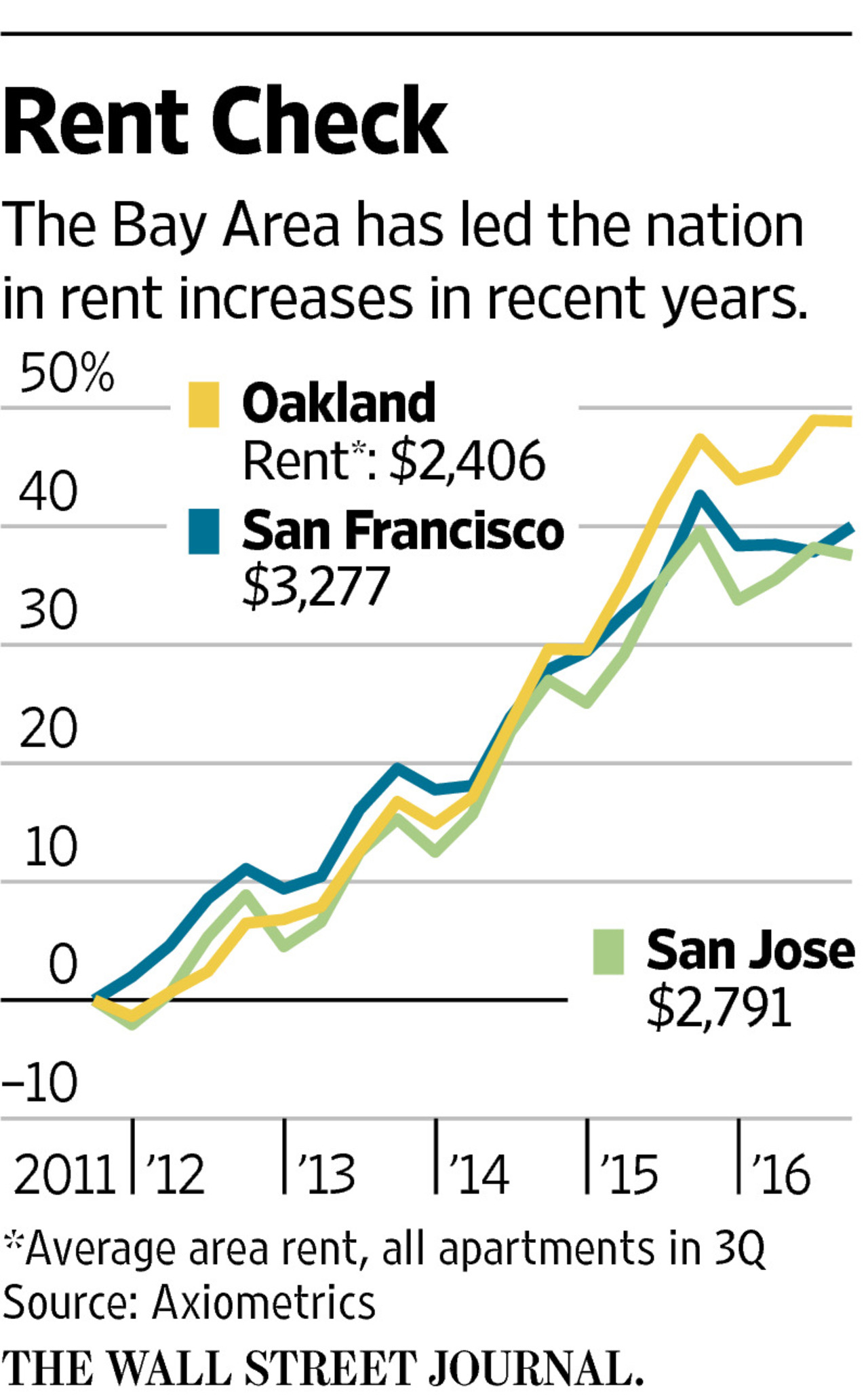
While the influx of investment from China is lifting some markets, it is reshaping many others, real estate experts say. The torrent of cash is fueling sharply rising prices and dwindling housing supply while keeping homeownership out of reach of first-time buyers in some of the country’s most important real estate markets.
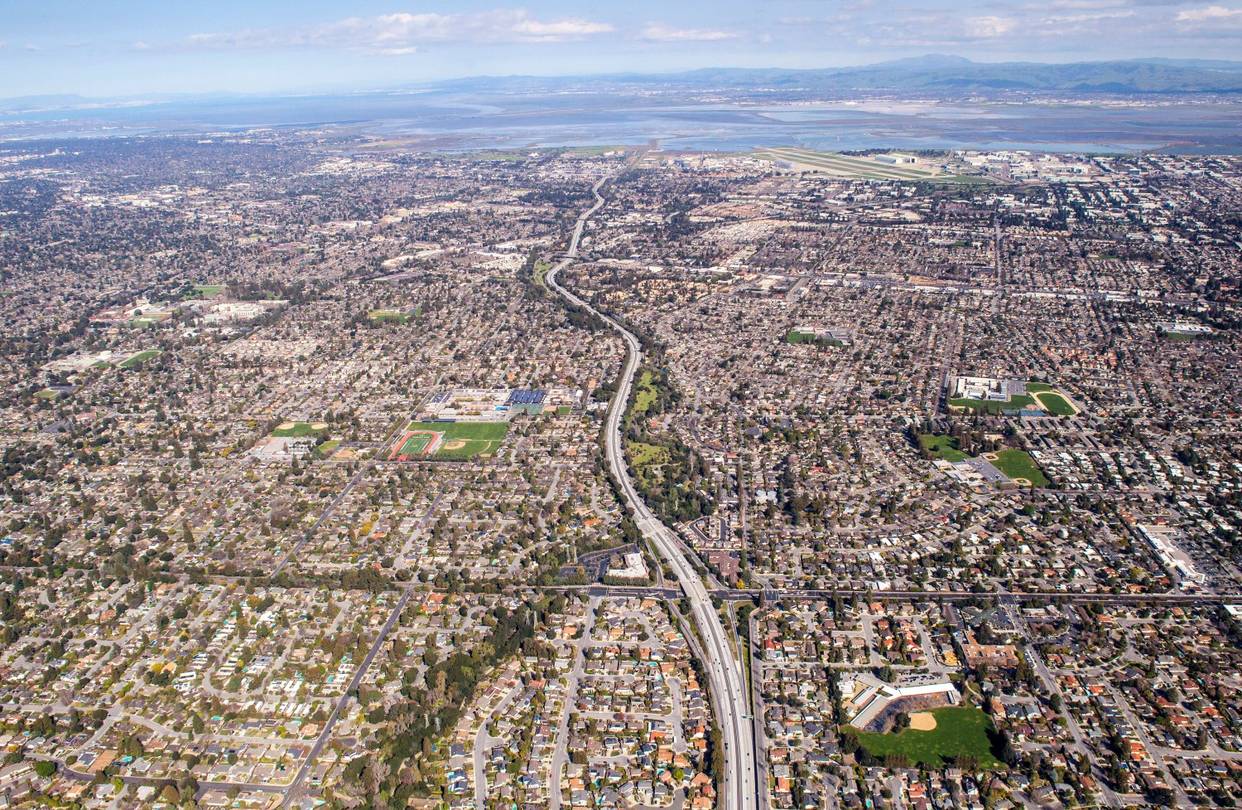
In San Francisco Bay-area locations such as Palo Alto and Woodside, home prices have risen by double digits in the past three years, while the number of buyers from China has nearly doubled since 2012, said Penelope Huang, a broker with Re/Max Distinctive Properties. The increased demand is making the area one of the toughest for younger buyers, she said.
“Listings are snapped up in a week or sometimes less in this market,” she said. “That kind of pace of sales directly affects first-time buyers.”
In New York, where big-spending financiers typically make real estate headlines in Manhattan, Chinese investors are increasingly gobbling up property farther away from the spotlight.
In middle-class areas of Brooklyn and Queens, the number of Chinese buyers has nearly doubled since 2012, estimates Jennifer Hsu, a broker with Halstead Property in Queens. “They’re now competing with buyers at the middle of this market,” she said, “and that added competition is making life tougher for people looking to buy their first home.”
The spending spree is also upending real estate fundamentals in smaller and midsize markets from Portland, Oregon, to Cambridge, Massachusetts, with local would-be buyers increasingly being disconnected from the economies of their own cities.
Factors that typically influence real estate sales in most places, such as income levels and the strength of local economies, do not mean as much when large numbers of outside buyers from places such as China invade a market, said Nela Richardson, chief economist at national realty brokerage Redfin. “Local fundamentals aren’t necessarily the driving factors when that happens,” Richardson said. “That affects buyers who live in these places and can lead to locals essentially being priced out of their own markets.”
Real estate in the District of Columbia area has long been viewed as a gateway for foreign investment, mostly from Europe and the Middle East. But thanks to its relative affordability, increasing numbers of Chinese buyers have trickled into the D.C. housing market in the past few years, said Michael Rankin, managing partner of TTR Sotheby’s International Realty in Washington.
“D.C. lacks the newer condo properties that you see in New York and Miami that typically appeal to buyers from China,” said Rankin, who estimates that foreign nationals overall make up about 20 percent of the D.C. market, up from about 15 percent five years ago. “But as we see more condo development, and prices here remain lower than other big cities, you’re likely to see more Asian buyers land in this market.”
Danielle Hale, managing director of housing research at the NAR, said that in many cases, Chinese buyers are also bidding up prices in markets where demand is already high. “That can cause prices to rise sharply and make it that much more difficult for locals to find a home to buy,” she said. “That’s particularly the case for many first-time home buyers looking for moderately priced homes.”
Chinese nationals started buying U.S. property in large numbers in the years after the real estate crash, when home prices plummeted in many U.S. markets.
Driven by expanding wealth in China and a desire for a haven against political instability, busloads of Chinese buyers began popping up in markets from California to New York.
Vanessa Chan said she viewed the U.S. market as a solid real estate investment when she bought a Manhattan apartment two years ago. The Hong Kong-based technology executive paid $1.25 million for a condo in a new tower in Midtown. “New York is a lot like Hong Kong in terms of prices, but the housing quality is a lot better,” said Chan, 37. “I also knew Manhattan property would appreciate much faster than some real estate investments in Asia.”
Chan’s broker, Elizabeth Schwartz of Compass, has worked with dozens of buyers from China. Although Chinese billionaires receive a lot of attention for purchasing trophy properties, she said that most Chinese buyers are looking for more moderately priced homes that give them a better return on their money.
“There’s a huge population of hardworking, educated Chinese who look to the U.S. for real estate investment,” Schwartz said. “But they come to this market not with money to just throw around, but rather to make informed, well-reasoned investment choices.”
In recent years, as their numbers have grown, Chinese buyers have targeted the higher end of many markets. The average home price for Chinese buyers in 2015 was $831,800, compared with $499,600 for all other international buyers, the study from Rosen Consulting Group shows.
That stream of cash at the top is fueling expensive housing projects in many markets.
Although the San Francisco Bay area has long been a sought-after location for Asian buyers, a flurry of high-end condominium projects is actively targeting wealthy foreign nationals from China.
“Many buyers from China simply want to diversify their assets outside of what is still a communist country,” said Alan P. Mark, president of the Mark Co., a sales and marketing firm that has launched four residential developments in San Francisco this year. “That means they’re looking for projects in prime locations that will rapidly appreciate.”
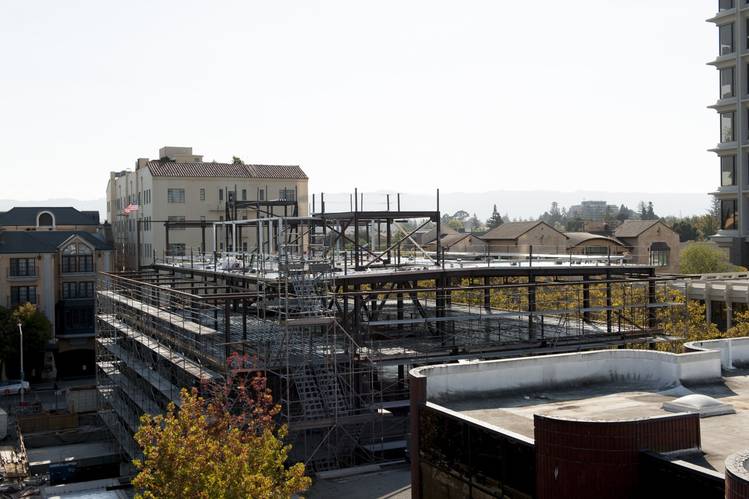
Among the new projects being touted by the Mark Co. is 181 Fremont Residences, a 70-story, mixed-use tower with 67 condo units occupying the building’s top 16 floors.
The $665 million project, designed by Orlando Diaz-Azcuy Design Associates, includes homes ranging in price from $3 million to $15 million. Those prices rank among the highest for condominiums in San Francisco.
“Chinese buyers make up a small portion of the overall market here, but it’s a critical part of the luxury sector,” said Mark McLaughlin, chief executive of San Francisco-based Pacific Union. The real estate brokerage spends about $400,000 annually on corporate marketing in China, including having a Chinese-language website and advertising in Asian papers. McLaughlin estimates that buyers from China account for 15 to 20 percent of the San Francisco real estate market.
Wealthy buyers from South America have long fueled rising prices in Miami. But as their numbers dwindle – thanks to slumping economies in places such as Brazil, Venezuela and Argentina – developers are increasingly setting their sights on China.
“Prices in Miami look relatively cheap compared with places like New York and San Francisco,” said Vanessa Grout, president of CMC Real Estate. CMC Group is developing Brickell Flatiron, a 549-unit condo building in downtown Miami with prices ranging from $400,000 to more than $14 million. The project is being marketed to Chinese buyers via local brokerages, Grout says.
Although only about 2 percent of international buyers in Miami come from China, according to the Miami Association of Realtors, Grout said the Chinese share of the market is poised to grow.
“Chinese buyers typically buy in groups and buy more than one unit at a time,” said Grout, who attended the Beijing Luxury Properties Showcase last year. The trade show attracts thousands of wealthy Chinese looking at international properties. “We’ve learned quite a bit about the market for Chinese buyers coming to Miami, and we think it will only grow.”
Article source: http://www.spokesman.com/stories/2016/oct/24/chinese-buyers-driving-up-real-estate-values-in-ci/

 Technology has taken the reigns of many positions once held exclusively by humans. From self-checkout lanes to automated phone operators, tech-driven interactions are becoming commonplace.