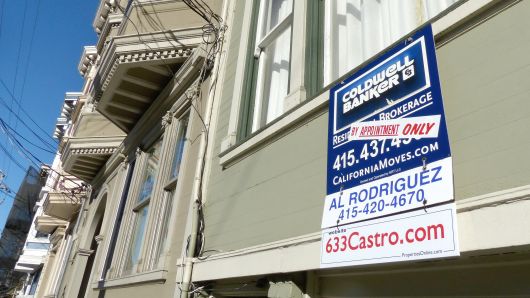
Bay Area Home Sales Tank 10 Percent in August — To the Slowest Pace in 7 Years

The San Francisco Bay Area home sales numbers are in for August, and they continue to weaken.

Total sales for the Bay Area fell nearly 10 percent compared with August 2017, according to CoreLogic. Sales did increase 1.8 percent compared with July, but the total volume was nearly 18 percent below the August average going back to 1988 and the lowest since August 2011. Sales activity for the summer, June through August, was the slowest in seven years.

“Much of the recent slowdown can be attributed to the lack of affordable inventory on the market,” said Andrew LePage, a CoreLogic analyst, in a release. “Unlike the frenzied market of the mid-2000s, many struggling to buy today don’t have the option to stretch financially with the sort of subprime and other risky financing that fueled a lot of homebuying late in the last cycle.”

San Francisco sales were down 6 percent annually. San Francisco was ranked the most overvalued housing market in the United States, according to UBS’ just-released Global Real Estate Bubble Index 2018.

“Real prices in San Francisco climbed 9 percent since last summer and now exceed their 2006 peak by more than 20 percent, amid a thriving local economy, significant non-cash earnings by many tech employees, and buoyant foreign demand. The city is approaching high valuation risk,” according to the report.

The median price for all Bay Area homes sold in August was $830,000, up 12.4 percent annually, according to CoreLogic. June and May saw the highest median prices ever.

“Waning affordability reflects price hikes and a significant rise in mortgage interest rates this year,” LePage said in the release. “While the Bay Area’s median sale price rose about 12 percent year over year in August, the monthly mortgage payment on the median-priced home jumped 21.5 percent due to a roughly 0.7-percentage-point gain in mortgage rates over that period.”

The supply of homes for sale is starting to rise. San Jose saw a 67 percent increase in listings in the third quarter of this year compared with the same quarter in 2017, according to Trulia. Inventory in Oakland was up 26 percent annually.

“While this is ultimately good news for frustrated buyers, years of steadily increasing prices mean that those hoping to buy a home will need to spend a bigger share of their income once they find one,” said Cheryl Young, Trulia’s chief economist. “Nonetheless, those buyers daunted by low inventory and high prices have reason to be cautiously optimistic as parts of the housing market begin to ease.”

This story first appeared on CNBC.com. More from CNBC:


Article source: https://www.nbcbayarea.com/news/local/Bay-Area-Home-Sales-Tank-in-Aug-Slowest-Pace-in-7-Years-494639421.html
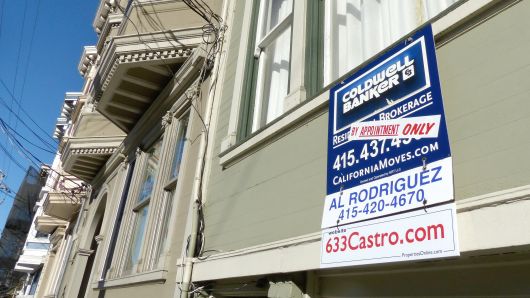

Posted in SF Bay Area News | Tagged | Leave a comment

Bay Area home sales tank 10 percent in August — to the slowest pace in 7 years

<!– –>

 Bay Area home sales tank 10 percent in August — to the slowest pace in 7 years

The San Francisco Bay Area home sales numbers are in for August, and they continue to weaken.

Total sales for the Bay Area fell nearly 10 percent compared with August 2017, according to CoreLogic. Sales did increase 1.8 percent compared with July, but the total volume was nearly 18 percent below the August average going back to 1988 and the lowest since August 2011. Sales activity for the summer, June through August, was the slowest in seven years.

“Much of the recent slowdown can be attributed to the lack of affordable inventory on the market,” said Andrew LePage, a CoreLogic analyst, in a release. “Unlike the frenzied market of the mid-2000s, many struggling to buy today don’t have the option to stretch financially with the sort of subprime and other risky financing that fueled a lot of homebuying late in the last cycle.”

San Francisco sales were down 6 percent annually. San Francisco was ranked the most overvalued housing market in the United States, according to UBS’ just-released Global Real Estate Bubble Index 2018.

“Real prices in San Francisco climbed 9 percent since last summer and now exceed their 2006 peak by more than 20 percent, amid a thriving local economy, significant non-cash earnings by many tech employees, and buoyant foreign demand. The city is approaching high valuation risk,” according to the report.

The median price for all Bay Area homes sold in August was $830,000, up 12.4 percent annually, according to CoreLogic. June and May saw the highest median prices ever.

“Waning affordability reflects price hikes and a significant rise in mortgage interest rates this year,” LePage said in the release. “While the Bay Area’s median sale price rose about 12 percent year over year in August, the monthly mortgage payment on the median-priced home jumped 21.5 percent due to a roughly 0.7-percentage-point gain in mortgage rates over that period.”

The supply of homes for sale is starting to rise. San Jose saw a 67 percent increase in listings in the third quarter of this year compared with the same quarter in 2017, according to Trulia. Inventory in Oakland was up 26 percent annually.

“While this is ultimately good news for frustrated buyers, years of steadily increasing prices mean that those hoping to buy a home will need to spend a bigger share of their income once they find one,” said Cheryl Young, Trulia’s chief economist. “Nonetheless, those buyers daunted by low inventory and high prices have reason to be cautiously optimistic as parts of the housing market begin to ease.”

WATCH: Renting vs. buying a home – here are the numbers you needs to decide


4f55a 105018123 Rent Buy Thumbnail.600x337 Bay Area home sales tank 10 percent in August — to the slowest pace in 7 years


4f55a 104006269 OLICK D  230 RGB.60x60 Bay Area home sales tank 10 percent in August — to the slowest pace in 7 years

Playing

Share this video…

Watch Next…

News Tips


Article source: https://www.cnbc.com/2018/09/27/bay-area-home-sales-tank-10-percent-in-august-to-slowest-pace-in-7-years.html

Posted in SF Bay Area News | Tagged | Leave a comment

Bay Area home sales tank 10% in August to slowest pace in 7 years

<!– –>

 Bay Area home sales tank 10% in August to slowest pace in 7 years

The San Francisco Bay Area home sales numbers are in for August, and they continue to weaken.

Total sales for the Bay Area fell nearly 10 percent compared with August 2017, according to CoreLogic. Sales did increase 1.8 percent compared with July, but the total volume was nearly 18 percent below the August average going back to 1988 and the lowest since August 2011. Sales activity for the summer, June through August, was the slowest in seven years.

“Much of the recent slowdown can be attributed to the lack of affordable inventory on the market,” said Andrew LePage, a CoreLogic analyst, in a release. “Unlike the frenzied market of the mid-2000s, many struggling to buy today don’t have the option to stretch financially with the sort of subprime and other risky financing that fueled a lot of homebuying late in the last cycle.”

San Francisco sales were down 6 percent annually. San Francisco was ranked the most overvalued housing market in the United States, according to UBS’ just-released Global Real Estate Bubble Index 2018.

“Real prices in San Francisco climbed 9 percent since last summer and now exceed their 2006 peak by more than 20 percent, amid a thriving local economy, significant non-cash earnings by many tech employees, and buoyant foreign demand. The city is approaching high valuation risk,” according to the report.

The median price for all Bay Area homes sold in August was $830,000, up 12.4 percent annually, according to CoreLogic. June and May saw the highest median prices ever.

“Waning affordability reflects price hikes and a significant rise in mortgage interest rates this year,” LePage said in the release. “While the Bay Area’s median sale price rose about 12 percent year over year in August, the monthly mortgage payment on the median-priced home jumped 21.5 percent due to a roughly 0.7-percentage-point gain in mortgage rates over that period.”

The supply of homes for sale is starting to rise. San Jose saw a 67 percent increase in listings in the third quarter of this year compared with the same quarter in 2017, according to Trulia. Inventory in Oakland was up 26 percent annually.

“While this is ultimately good news for frustrated buyers, years of steadily increasing prices mean that those hoping to buy a home will need to spend a bigger share of their income once they find one,” said Cheryl Young, Trulia’s chief economist. “Nonetheless, those buyers daunted by low inventory and high prices have reason to be cautiously optimistic as parts of the housing market begin to ease.”

WATCH: Renting vs. buying a home – here are the numbers you needs to decide


0f52d 105018123 Rent Buy Thumbnail.600x337 Bay Area home sales tank 10% in August to slowest pace in 7 years


0f52d 104006269 OLICK D  230 RGB.60x60 Bay Area home sales tank 10% in August to slowest pace in 7 years

Playing

Share this video…

Watch Next…

News Tips


Article source: https://www.cnbc.com/2018/09/27/bay-area-home-sales-tank-10-percent-in-august-to-slowest-pace-in-7-years.html

Posted in SF Bay Area News | Tagged | Leave a comment

Bay Area real estate gains highest in country since recession

If you bought a Bay Area home in 2012, pat yourself on the back.

You almost certainly doubled your investment, just by sleeping in your own bed.

Home values across the country have stepped up since the aftermath of the Great Recession a decade ago, but nowhere have values vaulted higher than in the Bay Area.

New research released Thursday by real estate website Trulia shows homes in the San Jose, Oakland and San Francisco metro areas have more than doubled in value since 2012.

The cities ranked as three of the top four in the country for appreciation: San Jose (122 percent) led the way, followed by Las Vegas (114 percent), Oakland (108 percent) and San Francisco (101 percent). By comparison, the SP 500 index during that stretch rose 87 percent.

Nationally, home values have grown 45 percent since 2012, when they hit bottom across the country.

“Things are considerably different in the Bay Area,” said Trulia housing economist Felipe Chacon, author of the report.

The rocket fuel for rising Bay Area home values has been a mixture of booming job growth — more than 14 percent — and few building permits issued for new homes. Depending on the city, one new building permit was issued for every two or four new people moving into the area during the period. That’s far below the national average of roughly one permit for every 1.6 new residents.

Chacon believes the Bay Area’s population growth would have been even more rapid if not for the high cost of living driven by a dearth of new housing. He added that building permits had recently started to rise in the Bay Area, but still remain far below the national average.

The populations in San Jose, San Francisco and Oakland grew by between 5 and 6 percent, well behind fast-growing Austin, Texas (15 percent), Houston (11.5 percent), Dallas (10.9 percent) and Seattle (9.1 percent).

The median home value in Santa Clara County is $1.3 million, and $954,000 in San Francisco and Alameda counties, according to Zillow.

But while the growth in home values has been a boon for owners, the business community and some state lawmakers believe the shortage has reached a crisis. They are pushing for more permissive zoning and faster approvals for affordable housing.

The Silicon Valley Leadership Group has set housing as a top priority, and is supporting a campaign to pass a $4 billion bond aimed at creating affordable housing for low-income residents and veterans.

State lawmakers expect to introduce more bills in the coming session promoting higher density around transit hubs and more construction of affordable housing.

Article source: https://www.santacruzsentinel.com/2018/09/13/bay-area-real-estate-gains-highest-in-country-since-recession/

Posted in SF Bay Area News | Tagged | Leave a comment

Apartment rents are suddenly rising faster, reversing year-long trend

Buying a home is getting more and more expensive, thanks to sharp increases in both prices and mortgage rates. That is juicing demand for apartment rentals and, in turn, pushing rents higher.

Rents in the third quarter of this year were up 2.9 percent compared with a year ago, according to RealPage, a real estate analytics firm. That’s up from 2.5 percent annual growth in the second quarter. Rent growth had been slowing for the past three years, thanks to a big increase in supply of new rental units. The reversal in rents, however, may be short-lived.

“Momentum in the apartment market’s performance during the third quarter slightly surpassed expectations,” according to RealPage chief economist Greg Willett. “Still, there doesn’t seem to be a pronounced shift in the big-picture story. We are about to move into the period of seasonally slow apartment leasing that comes with the cold weather months.”

Apartment demand is being strengthened by an improving economy, as well as a shortage of affordable homes for sale. New household formations are rising, and renter households represent nearly a third of occupied housing, according to the U.S. Census.

“The apartment market had slowed at the end of 2017 and early 2018 as the housing market started to accelerate. However, the passing of the Tax Reform and Jobs Act in December that doubled the standard deduction and cut the deductibility of state and local taxes reduced the incentive to buy a home. This has helped the apartment market, especially in high-taxed localities,” according to Barbara Denham, senior economist at Reis, Inc, a commercial real estate information company.

The apartment occupancy rate is quite high at 95.8 percent, up from 95.4 percent in the second quarter. Demand, however, will likely trail completions of new units in the coming months, which will throw cold water on the current heat in rent growth.

Apartment construction continues to be robust. New multifamily starts were up 37 percent annually in August, according to the U.S. Census. While that number is pretty volatile month to month, market-rate apartment completions have totaled between 300,000 and 325,000 units annually for the past two years. With continued robust construction, volume should remain at that rate through the end of next year.

High-end apartment rents, however, are still under pressure, as construction of luxury units far outpaces demand.

“With so much high-end new product finishing in the near term, the leasing environment will be competitive in that luxury apartment niche,” according to Willett. “At the same time, product shortages remain for moderately-priced rental housing. It’s tough to find available apartments at the middle to lower-end price points across most neighborhoods.”

Of course all real estate is local, and some markets are seeing much bigger rent increases. Leaders include Las Vegas, Orlando and Phoenix, where rents are up between 6 and 7 percent over the past year. Rents also jumped more than 4 percent in Jacksonville, San Jose, Tampa, Riverside, Salt Lake City and San Diego.

The San Francisco Bay area had seen rents shrinking throughout 2016-2017, but they are increasing once again. Rent laggards include St. Louis, Baltimore, Dallas, and Seattle, where growth is less than 2 percent.

Article source: https://www.cnbc.com/2018/09/26/apartment-rents-are-suddenly-rising-faster-reversing-year-long-trend.html

Posted in SF Bay Area News | Tagged | Leave a comment