Home values sank in these S.F. neighborhoods, thanks to the ‘doughnut’ effect

To understand the extent to which the pandemic affected home values in San Francisco and the rest of the Bay Area, The Chronicle analyzed Zillow data on monthly median home values for 456 neighborhoods across the nine-county Bay Area.

While most of the neighborhoods we looked at saw home values increase from January 2020 through April 2021, estimated values declined in 74 of them — 55 of which were in San Francisco. Home values stayed flat or increased in just 14 of the city’s 69 Zillow-defined neighborhoods.

Additionally, San Francisco made up the top 37 neighborhoods in the Bay Area with the steepest declines in home values.

The Tenderloin neighborhood saw the steepest decrease in home values over the pandemic; the neighborhood’s estimated median home value went from about $780,000 at the end of January 2020 to $690,000 at the end of April, a decrease of almost 12%.

Home values sank in the more affluent neighborhoods of Cow Hollow and the Marina as well; both neighborhoods saw value declines of more than 11%, from roughly $3.7 million to $3.3 million, and $2.5 million to $2.2 million, respectively.

San Francisco’s pandemic-era exodus and subsequent decline in rents and home values has been covered exhaustively, and the phenomenon has a lot of distinct regional causes, like high rents and high home values to start with, plus a concentration of tech companies with work-from-home policies. But it certainly isn’t the only dense major city that experienced a hollowing-out during the pandemic.

In May, economists Arjun Ramani and Nicholas Bloom from Stanford University published a study examining pandemic migration patterns and real estate markets within the 12 biggest metropolitan areas.

“Within large US cities, households, businesses, and real estate demand have moved from dense central business districts (CBDs) towards lower density suburban zip-codes,” the authors wrote. They labeled this phenomenon the “doughnut effect,” as a visual representation of people moving from an urban center to its suburban surroundings.

Nationwide, the study found that the “doughnut effect” had created home value losses of around 15 percentage points in major cities’ densest urban ZIP codes relative to changes in less-dense surrounding ones.

In particular, the paper found a “striking pattern of outflows” from San Francisco, which it categorizes as the Bay Area’s central business district, to more suburban areas within the 9-county region.

This strong outflow from San Francisco makes sense, given that the city is a dense urban hub; in fact, it’s the second-densest city in the U.S. after New York City.

S.F. also has many nearby cities and suburban areas that are less densely populated, which could be attractive to workers who still have to come to the office occasionally but now have more flexible work-from-home arrangements.

“Working patterns post pandemic will frequently be hybrid, with workers commuting to their business premises typically three days per week,” the researchers wrote. “This level of commuting is less than pre-pandemic, making suburbs relatively more popular, but too frequent to allow employees to leave the cities containing their employer.”

Bolstering this research, The Chronicle previously found a strong relationship between population density and increased outward migration within San Francisco’s ZIP codes. In fact, ZIP codes in the Marina and Cow Hollow, both of which are denser than San Francisco’s median density, and both of which saw home values decrease substantially, had about 150% more move-outs during March-November 2020 compared to the same period in 2019.

Susie Neilson is a San Francisco Chronicle staff writer. Email: susie.neilson@sfchronicle.com Twitter: @susieneilson

Article source: https://www.sfchronicle.com/local/article/Home-values-sank-in-these-S-F-neighborhoods-16243814.php
Posted in SF Bay Area News | Tagged | Leave a comment

PG&E agrees to sell SF headquarters complex for $800 million

PGE has struck a deal to sell its San Francisco headquarters complex in an $800 million deal, the utility said Monday, a key milestone in its move to relocate its head offices to downtown Oakland.

Hines Atlas US, an affiliate of a real estate development and investment firm, is the buyer of the property.

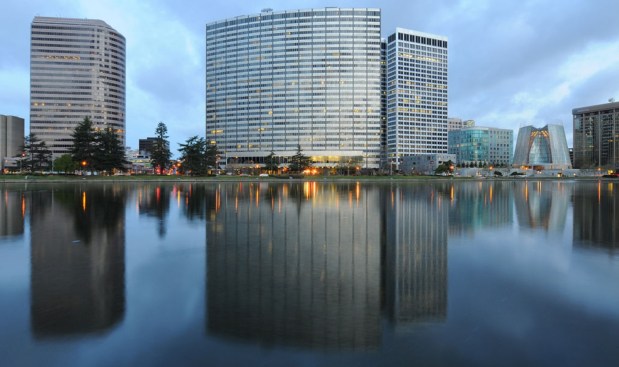
The utility had previously leased an office tower in downtown Oakland that’s perched on the shores of Lake Merritt for its future headquarters.

“PGE remains on track for a phased move into its new headquarters at 300 Lakeside Drive in Oakland, beginning in the first half of 2022,” the utility said in a prepared release.

The transaction marks another high-profile corporate exodus from San Francisco.

PGE is seeking approval for the property sale in San Francisco from the state Public Utilities Commission.

CBRE, a commercial real estate firm, advised PGE in its efforts to sell its headquarters hub in San Francisco.

The PGE office complex in San Francisco consists of 77 Beale St., 25 Beale St., 215 Market St., 245 Market St., and 45 Beale St., a filing with the Securities and Exchange Commission shows.

“We are working hard every day to make fundamental changes at PGE and become the utility our customers expect and deserve,” Patti Poppe, PGE’s chief executive officer, said in a prepared release.

The company intends to return to its ratepayers any profits harvested from the sale of the headquarters complex, PGE said.

Hines has agreed to deposit $20 million into an escrow fund to cover any shortcomings by Hines, the SEC documents show.

The San Francisco headquarters transaction could be terminated if the PUC doesn’t approve the proposed sale by the final day of 2021, according to a purchase agreement document filed with the SEC.

3a0cb SJM L PGEOAK xxxx 01 1 PG&E agrees to sell SF headquarters complex for $800 million
Downtown Oakland’s 300 Lakeside office and retail complex that includes a 28-story office tower. // 

In downtown Oakland, PGE also has reached a deal to purchase the 300 Lakeside office tower as a way to create a long-term presence in the East Bay’s largest city.

“We’re so excited to deepen our ties to the wonderful Oakland community,” Poppe said.

The downtown Oakland transaction initially is a lease of the office tower with an option for PGE to eventually purchase the landmark highrise.

“PGE intends to use the Lakeside Building as its new company headquarters, where it can consolidate approximately 4,500 employees currently located in San Francisco and at least two satellite offices in the East Bay,” PGE stated in Bankruptcy Court records. The East Bay sites are in Concord and San Ramon.

Renovations at the 300 Lakeside tower in Oakland are slated to start in 2022.

“It is currently anticipated 3,200 employees will be relocated to the Lakeside Building by early 2023, approximately 600 employees in 2025, with the balance of the space to be made available for an additional 600 employees beginning in 2026,” the bankruptcy files stated.

Since the early 2000s, PGE has mulled the future of its San Francisco office buildings, executives stated in federal court records for the company’s bankruptcy case.

“Many of the utility’s (headquarters office complex) employees commute to San Francisco from the East Bay area, where the cost of living is far more affordable than in downtown San Francisco,” PGE said in a court filing.

Plus, the San Francisco headquarters complex has become steadily more expensive to operate.

In September 2018, PGE tasked real estate developer TMG Partners with finding an East Bay site for the future headquarters, bankruptcy papers show. Bishop Ranch in San Ramon and part of the Concord Naval Weapons Station were top candidates, but nothing came of those prospects by mid-2019.

PGE pondered selling 77 Beale St. and moving workers into 245 Market St., or the reverse. But 245 Market was deemed too small, and 77 Beale was too large.

Then came a break. In November 2019, realty firms Swig Co. and Rockpoint Group put on the block the 300 Lakeside Drive tower along with an adjacent mixed-use office building and a big parking garage.

TMG raced to make Swig and Rockpoint an offer.

“The utility quickly investigated and determined that the Lakeside Building would provide significantly greater economic benefits” than retaining a San Francisco headquarters, the court papers stated.

All of that ultimately led to PGE’s deal for a lease and purchase option at the 300 Lakeside office tower.

PGE hopes it can use the corporate relocation to help the company reinvent itself after a decade of disasters from 2010 through 2020, including a fatal gas explosion in San Bruno in 2010 as well as a string of deadly wildfires.

PGE believes Oakland’s increasing cachet as a corporate and jobs magnet dovetails with the utility’s fresh strategy.

“As an economic and innovation hub for California, Oakland is the perfect place for PGE to call our hometown,” Poppe said.


Article source: https://www.eastbaytimes.com/2021/05/24/pge-sale-headquarters-800-million-oakland-wildfire-real-estate/

Posted in SF Bay Area News | Tagged | Leave a comment

Bubble Watch: Not much homebuying froth in Bay Area

Bubble Watch” digs into trends that may indicate economic and/or real estate market troubles ahead.

Buzz: Bay Area housing doesn’t look very frothy when compared with other large U.S. housing markets.

Source: The Bubble Watch Index is my trusty spreadsheet analysis of April homebuying data from Zillow and Realtor.com covering 47 big markets. The scorecard is based on average rankings for overvaluation (listing prices vs. values); overheating (list-price gains vs. value increases); selling speed (days on market vs. a year ago); year’s inventory change; and year’s rent change.

The trend

The Bubble Watch Index grades the Atlanta metropolitan area ($392,000 median list price) as the nation’s frothiest market followed by Detroit ($285,000); and Jacksonville ($349,000). Next came a tie of Southern California’s Riverside and San Bernardino counties ($512,000) and Tampa-St. Petersburg ($327,000).

The Washington, D.C., region ($506,000 median) had the lowest bubble score followed by Minneapolis-St. Paul ($366,000); and New York City-New Jersey ($629,000). Then came San Jose ($1.24 million); Seattle ($679,000); and San Francisco ($1.06 million).

The dissection

Folks seem willing to pay up dramatically in more “affordable” markets, part of a buying frenzy fueled by low mortgage rates and limited choices for house hunters.

The index shows less overpayment happening near the expensive coastlines.

Consider the ranking of the five Golden State markets in the Bubble Watch Index where three million-dollar markets were far down this risk measurement.

The San Jose region was ranked No. 44 out of 47 for “frothiness” …

Pricing: $1.24 million list price vs. $1.36 million value or 9% undervalued — 46th lowest of the 47 metros studied.

Appreciation: 3.3% list vs. 5.9% value or 44% cooled — No. 34.

Sales speed: 22 days on market, down 37% in a year — No. 20.

Inventory: Down 11% in a year — No. 46.

Rents: Down 7% in year — No. 45.

No. 42 was San Francisco-Oakland …

Pricing: $1.06 million list vs. $1.24 million value or 14% undervalued — last of 47.

Appreciation: 13.6% list vs. 7.4% value or 84% overheated — fourth-highest.

Sales speed: 27 days on market, down 33% in a year — No. 29.

Inventory: Down 6% in a year — last of 47.

Rents: Down 8% in a year — last of 47.

No. 32 of the 47 was Los Angeles-Orange counties …

Pricing: $1.11 million list vs. $783,610 value, or 42% overvalued — eighth-highest of 47.

Appreciation: 23.6% list vs. 10.4% value, or 127% overheated — tops of 47.

Sales speed: 49 days on market, down 17% in a year, above — No. 44.

Inventory: Down 22% in a year — No. 44.

Rents: Up 1% in a year — No. 39.

No. 11 was Sacramento …

Pricing: $592,000 list vs. $507,735 value, or 17% overvalued — 33rd highest of 47.

Appreciation: 18.6% list vs. 14.3% value, or 30% overheated — No. 11.

Sales speed: 21 days on market, down 45% in a year — No. 11.

Inventory: Down 54% in a year — No. 24.

Rents: Up 10% in a year — No. 9.

And the state’s riskiest market, by this math, was No. 4 Riverside-San Bernardino counties …

Pricing: $512,000 list vs. $460,833 value, or 11% overvaluation — 41st highest of 47.

Appreciation: 22% list vs. 16.2% value, or 36% overheated — No. 10 largest gap.

Sales speed: 28 days on market, down 50% in a year — No. 7 drop.

Inventory: Down 64% in a year — No. 11 decline.

Rents: Up 15% in a year — No. 1 increase.

Another view

Are house hunters getting skittish?

Every month since 1978, the Conference Board polls U.S. consumers and asks “Do you have plans to buy a home in the next six months?”

In May, only 4.3% of those surveyed said yes, the lowest level since February 2013 and down from 7.1% a month earlier; 6% a year ago; and a five-year average of 6.3%.

How bubbly?

On a scale of zero bubbles (no bubble here) to five bubbles (five-alarm warning) … THREE BUBBLES … for California.

Remember, the Bubble Watch Index reflects relative exuberance among these markets. And as I often say, these kinds of rankings are part art and part science. So the beauty of any conclusion drawn from this analysis is definitely in the eye of the beholder.

If you’re the type who thinks today’s overall homebuying conditions are sustainable, I’ll bet you sell real estate. You’d probably argue the top rankings are simply the nation’s “hottest” markets.

However, if you’re like me and are squeamish that homebuying has become a tad irrational — plus, you’re a Californian — here’s some solace: the Golden State isn’t leading this unnerving buying binge.

Jonathan Lansner is the business columnist for the Southern California News Group. He can be reached at jlansner@scng.com


Article source: https://www.mercurynews.com/2021/05/26/bubble-watch-not-much-homebuying-froth-in-bay-area

Posted in SF Bay Area News | Tagged | Leave a comment

Bay Briefing: A new Bay Area start, cut short in a San Francisco crosswalk

With time to spare before the evening’s show, Lovisa Svallingson and Daniel Ramos walked through Civic Center on a recent night on their way to the comedy club where Ramos was scheduled to perform. Transplants from Denver, the couple was starting a life together in the Bay Area.

But moments after stepping into a crosswalk at Hayes and Polk streets, they became victims in one of San Francisco’s most intractable problems.

Coronavirus Updates

 Bay Briefing: A new Bay Area start, cut short in a San Francisco crosswalk

Rober Caceres drapes himself in a Mexican flag while walking off the stage with his diploma in hand during Balboa High School’s graduation ceremony held at Kezar Stadium San Francisco, Calif. Wednesday, June 2, 2021. After a year of distance learning, high school seniors who were not included in SFUSD’s reopening plans will get to walk across a real stage to get their diplomas.

Photos by Jessica Christian/The Chronicle

When San Francisco high school seniors walk across real stages to receive their diplomas this week, it promises to be bittersweet.

For the nearly 4,000 seniors, it’s a chance to finally gather with their classmates one last time after a year of seeing them only on a screen. But they may also grieve the losses from more than a year of distance learning.

Still, there promises to be joy at San Francisco commencement ceremonies, being staggered Tuesday through Thursday, with ceremonies for the largest public high schools at Kezar Stadium in Golden Gate Park.

Read more.

Pandemic Problems: A reader who used to swim indoors at the gym before the pandemic asks if it’s OK to start going again after receiving the coronavirus vaccine.

• S.F. schools see enrollment drop after pandemic year.

Around the Bay

 Bay Briefing: A new Bay Area start, cut short in a San Francisco crosswalk

Brian Quan, center in a blue blazer, enjoys an evening out with his friends at Trademark Copyright sportsbar in San Francisco on Saturday, May 29, 2021. Mr. Quan completed Mayor Breed’s “small business challenge” for the month of May by visiting a variety of small business in alphabetical order.

Nick Otto / Special to The Chronicle

From Heather Knight: Ready to give up Amazon? These S.F. residents ditched chain stores to support struggling small businesses.

While at the center of a federal corruption case: S.F. police arrest Mohammed Nuru in attempted robbery at a food bank.

Prop I: A fight is brewing over how to spend money from San Francisco’s real estate tax.

Reducing refinery emissions: Bay Area air quality board delays vote on controversial anti-pollution rules.

Suspended service: It could take months for VTA light rail to return after mass shooting at rail yard.

S.F.’s Wildseed and more: A Palo Alto mall is getting an exciting new lineup of restaurants.

Op-Ed: Vallejo police shot and killed our brother. A year later, we’re still seeking justice, Ashley and Michelle Monterrosa write.

Datebook

 Bay Briefing: A new Bay Area start, cut short in a San Francisco crosswalk

Frank Capley-Alfano holds a rainbow flag at the site of the first Pride March 50 years ago on Polk Street in celebrating Pride and protesting against racial injustice, police violence, unjust healthcare, and inadequate unemployment relief in San Francisco, Calif. on Sunday, June 28, 2020.

Stephen Lam/Special to The Chronicle

The San Francisco Pride Parade is canceled again this year, but the city and the Bay Area is not letting Pride month go by without a proper celebration of its vibrant queer community.

After going for a virtual event lineup last year, the city’s 2021 offerings include a mix of in-person, outdoor and online events. The Datebook team has taken a look at ways to celebrate in San Francisco and across the region.

• San Francisco Pride: A primer to the past, present and future

• Pink Triangle installed on San Francisco’s Twin Peaks to start Pride Month.

Bay Briefing is written by Taylor Kate Brown, Anna Buchmann and Kellie Hwang and sent to readers’ email inboxes on weekday mornings. Sign up for the newsletter here, and contact the writers at taylor.brown@sfchronicle.com, anna.buchmann@sfchronicle.com, and kellie.hwang@sfchronicle.com.

Article source: https://www.sfchronicle.com/local/article/Bay-Briefing-A-new-Bay-Area-start-cut-short-in-16221880.php

Posted in SF Bay Area News | Tagged | Leave a comment

Another Bay Area home just sold for $1 million over asking price – and it won’t be the last

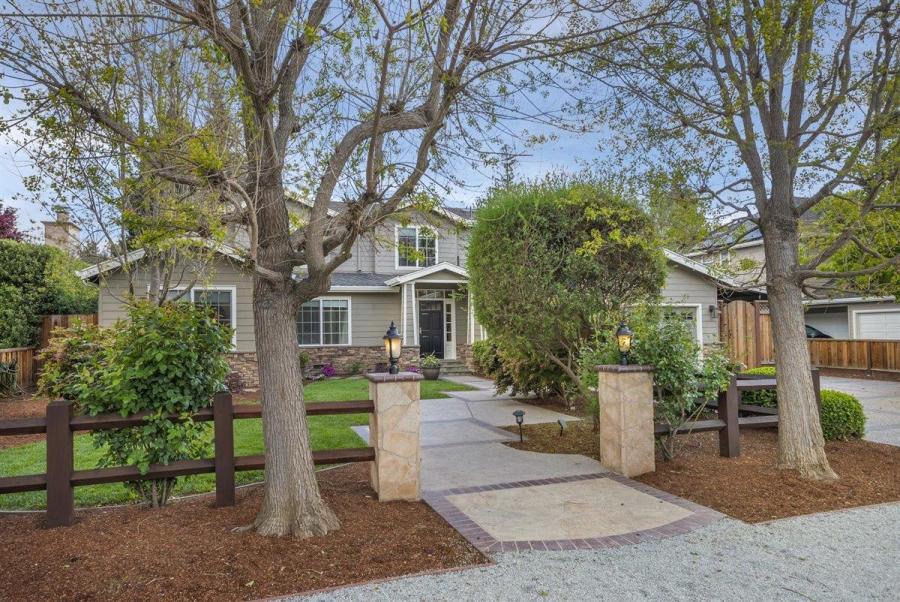
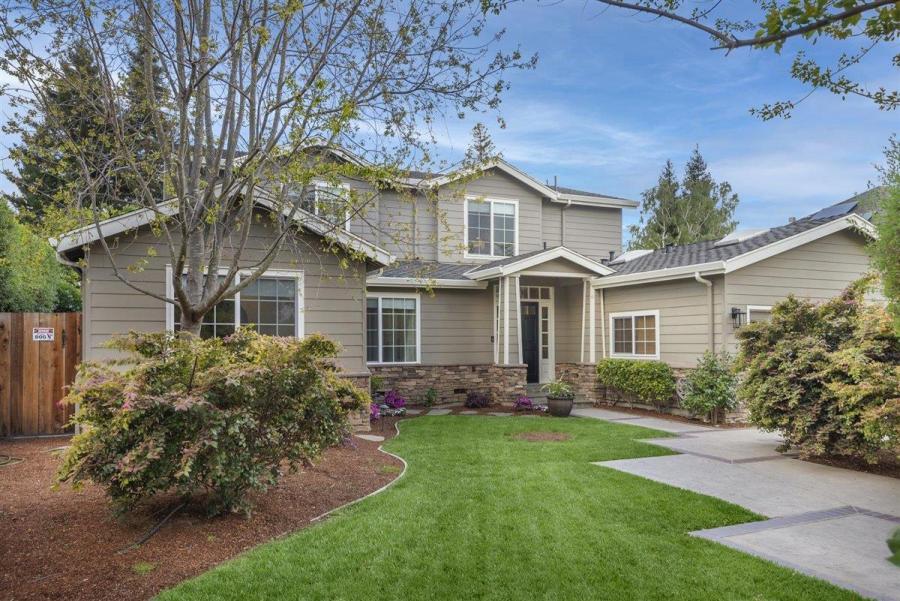
MOUNTAIN VIEW, Calif. (KRON) — A single-family home in the Silicon Valley swiftly sold for nearly $1 million over the asking price in just under a week.

The home at 593 Sleeper Ave in Mountain View was listed at $4,498,000 on April 22, according to Compass.

It sold for $5,477,000.

8dd32 Compass Sleeper Ave1 Another Bay Area home just sold for $1 million over asking price – and it won’t be the last

Zillow reports that home values in the same 94040 zip code have increased by 2.8% just in the last year.

The pandemic turned into a hot seller’s market as people rushed to buy their dream homes and more space.

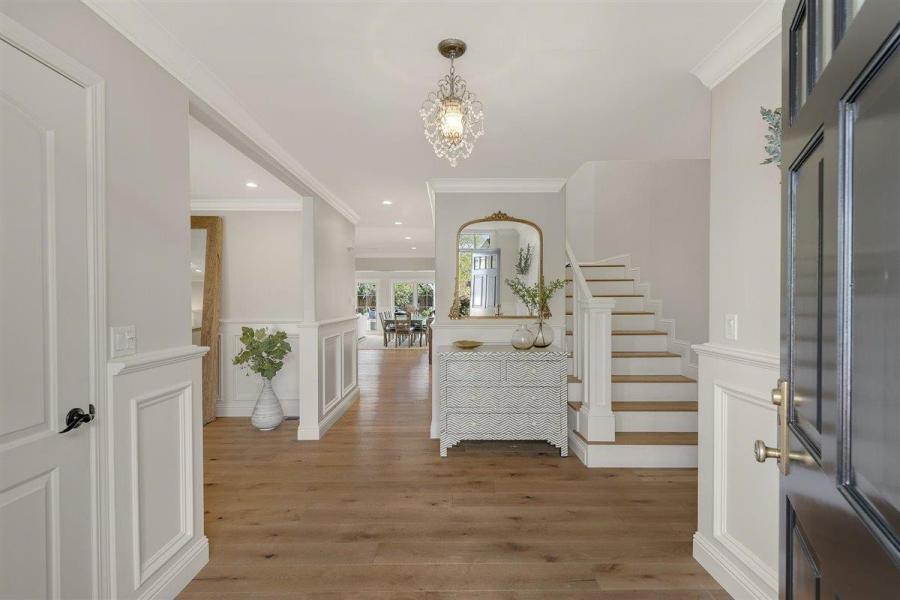
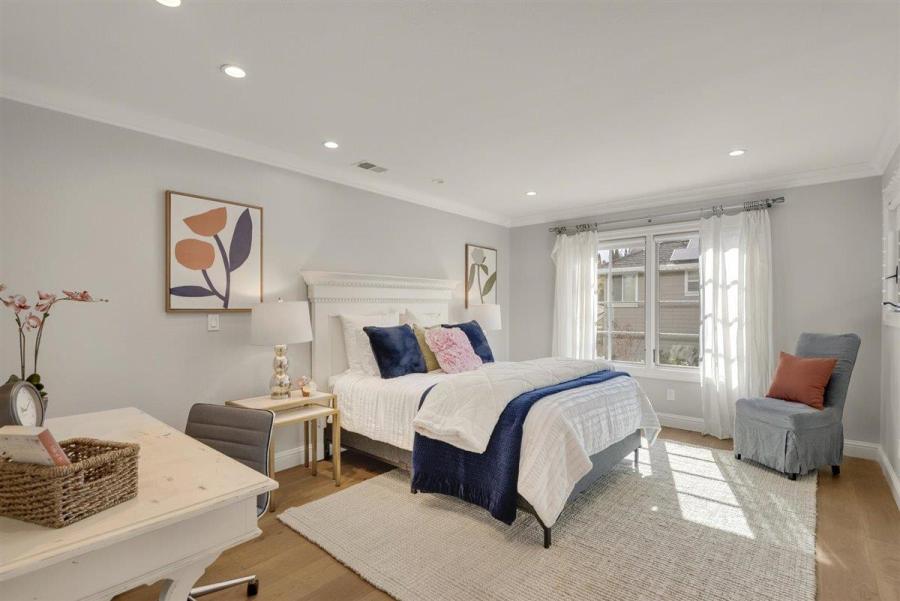
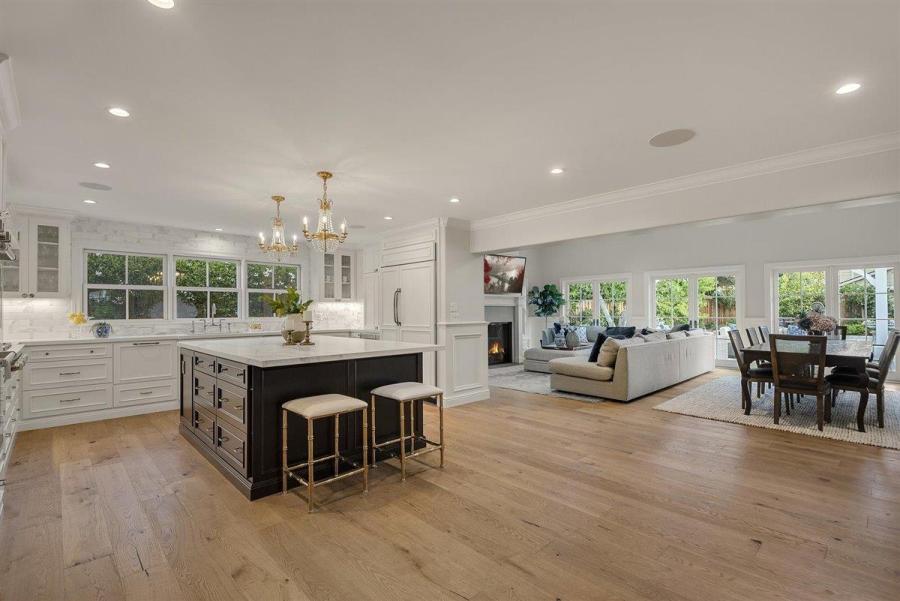
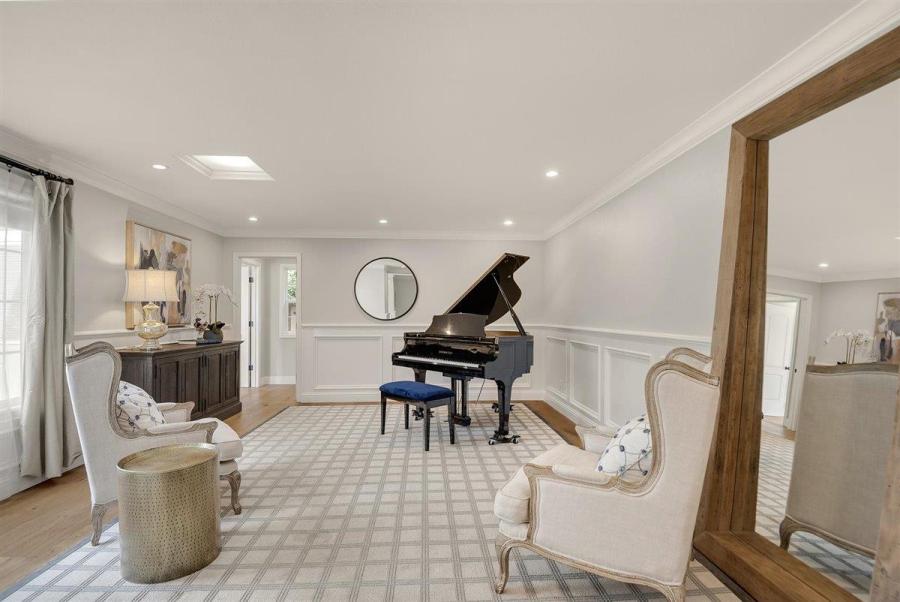
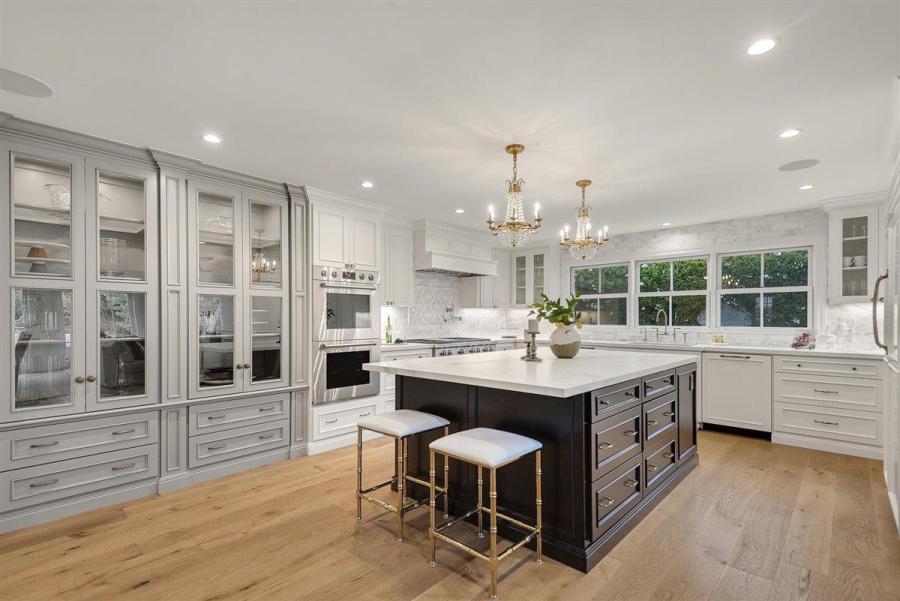
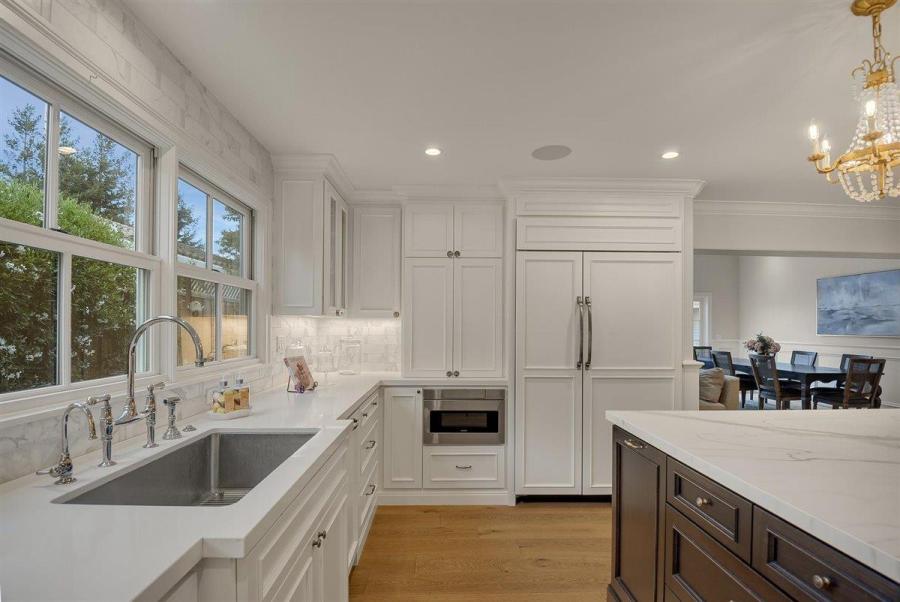
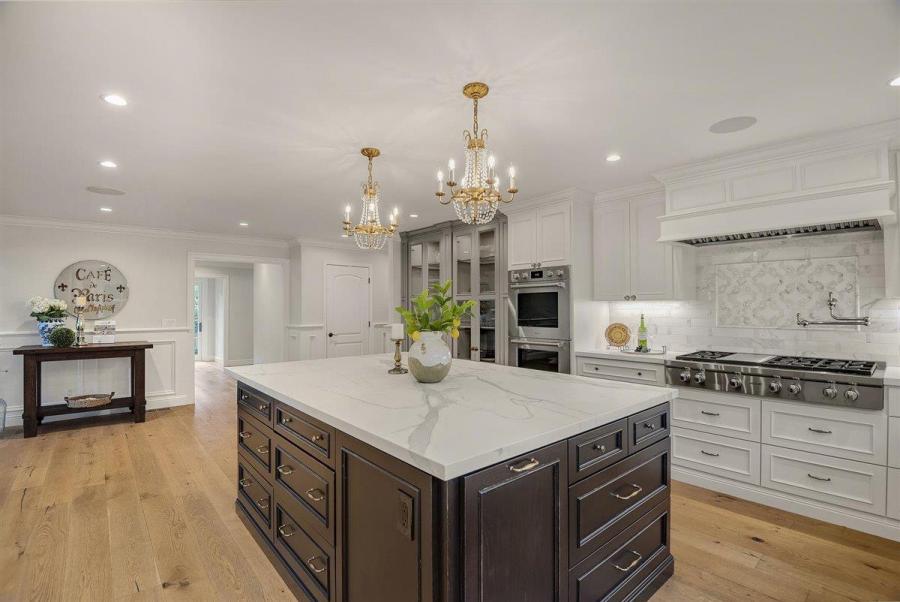
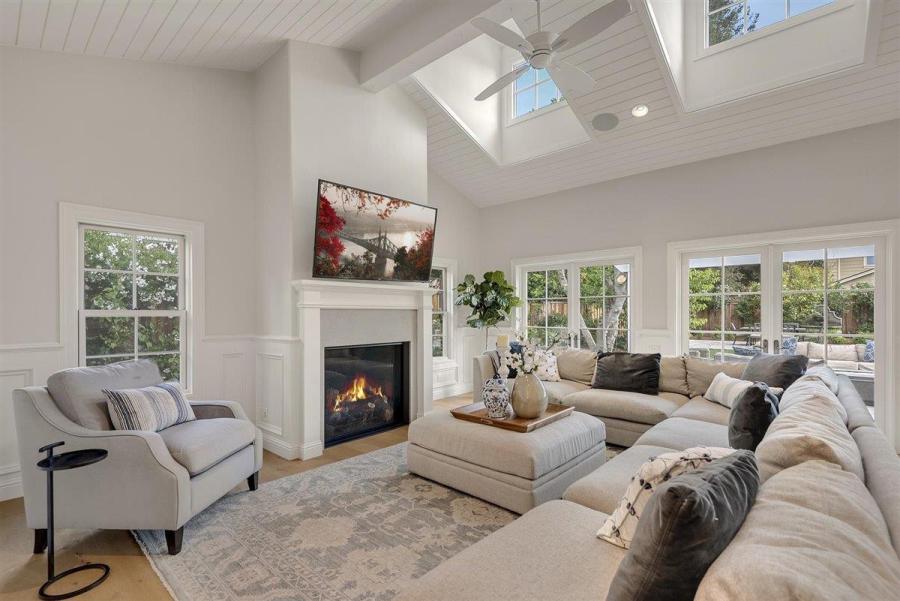
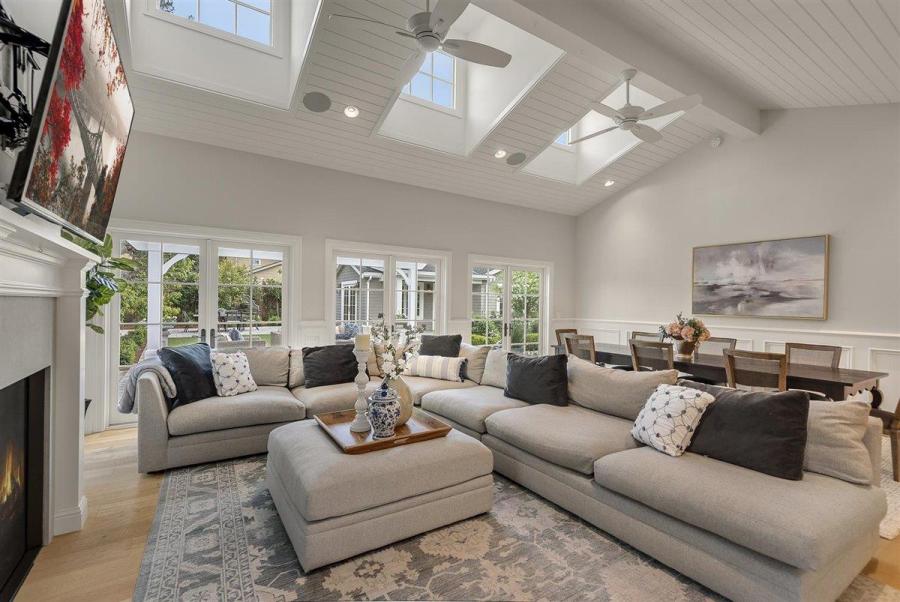
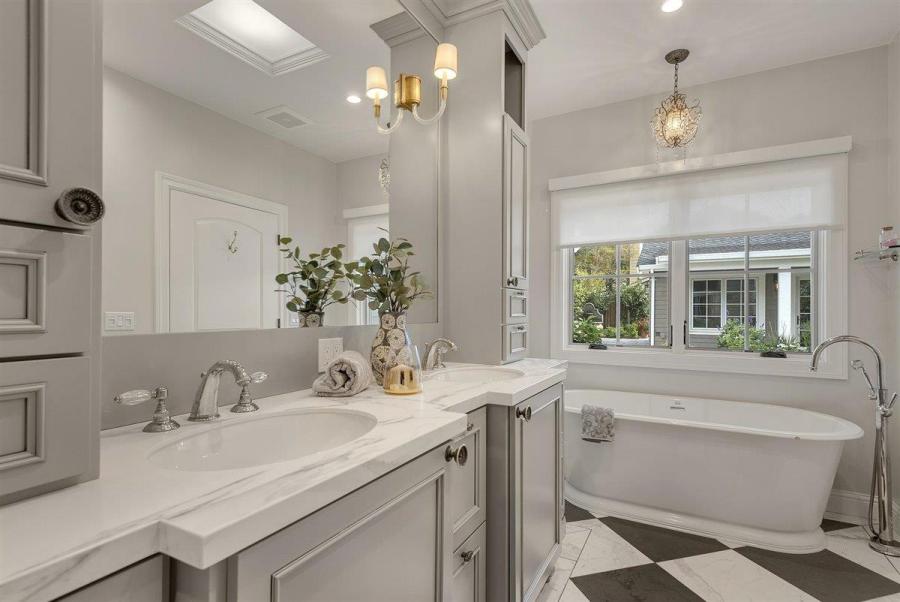
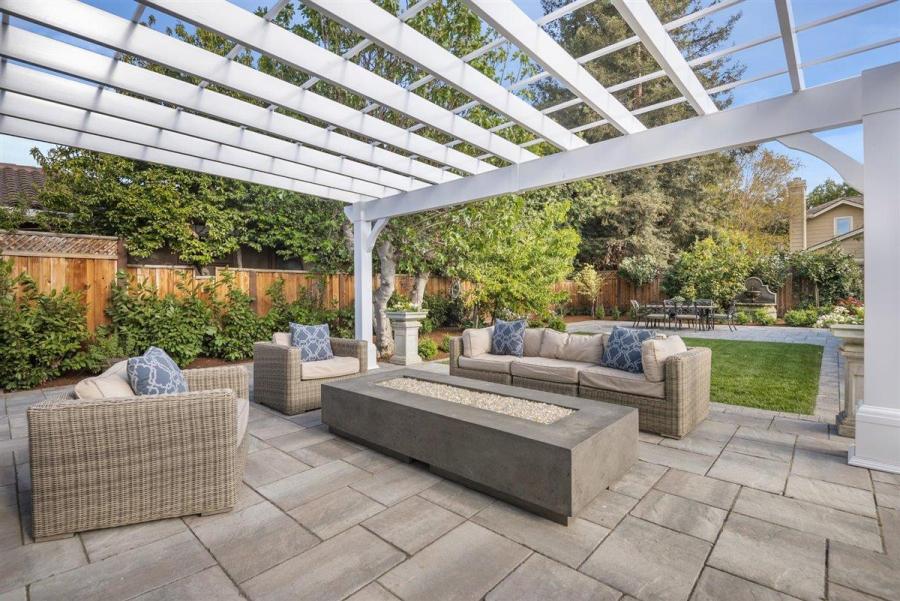
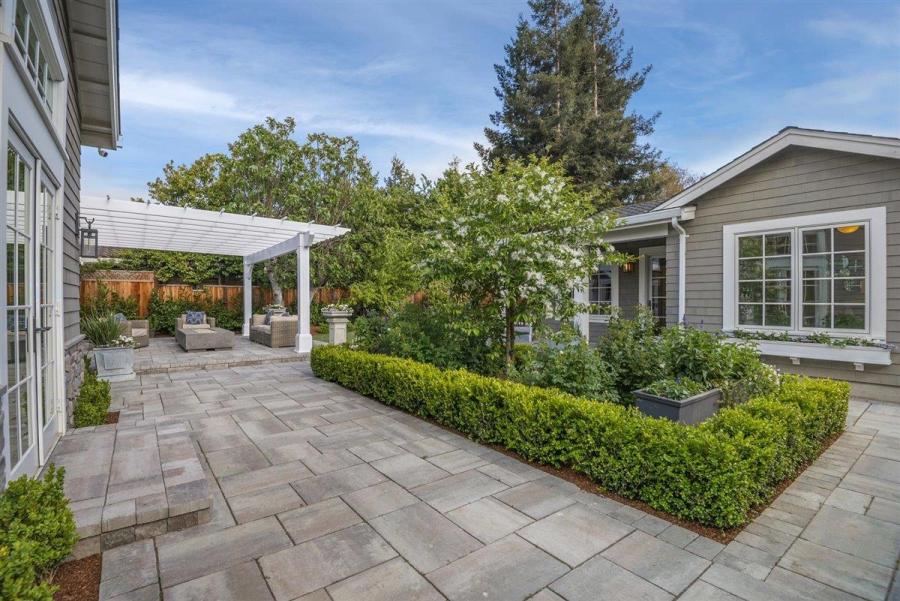
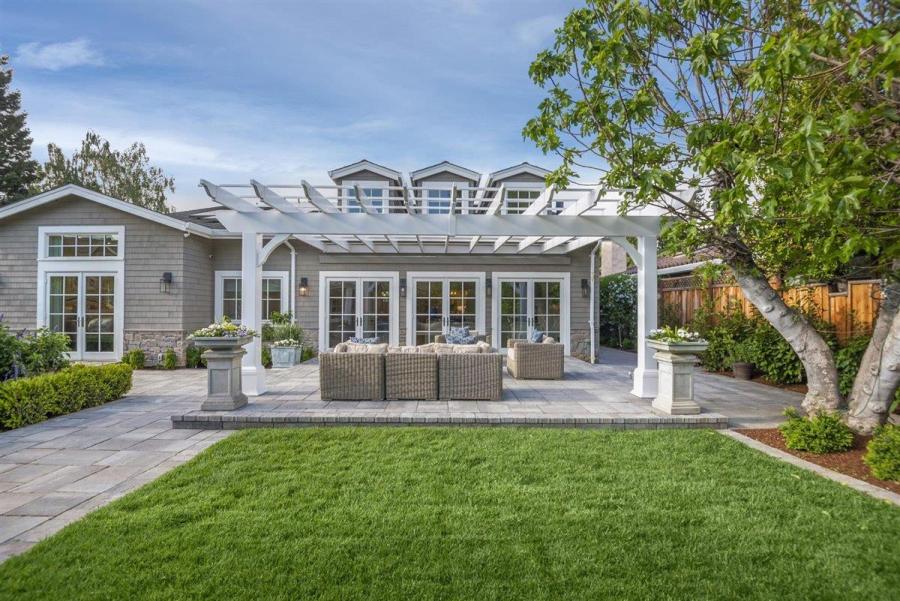
The two-story Sleeper Ave house has a total of seven bedrooms and 5.5 bathrooms – two of those bedrooms and one bath inside a new accessory dwelling unit on the property.

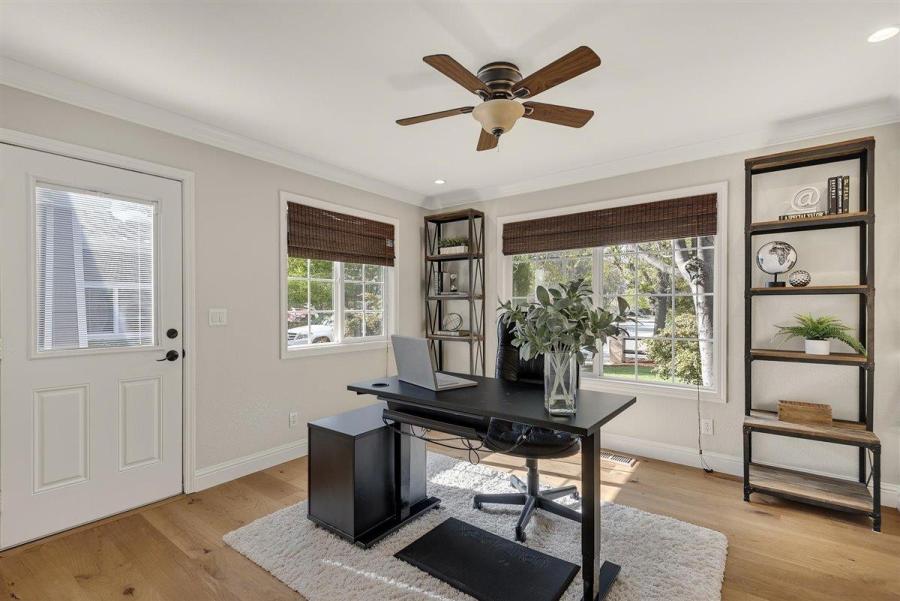
It was built in 1964 and renovated in 2018 – adding oak floors, crown moldings, wainscot, ship-lap paneled ceilings, and a new kitchen. There is also a well-lit dedicated office space for those work-from-home days.

Take a look inside and out:

  • ee88f Compass Sleeper Ave Another Bay Area home just sold for $1 million over asking price – and it won’t be the last
  • ee88f Compass Sleeper Ave1 1 Another Bay Area home just sold for $1 million over asking price – and it won’t be the last
  • ee88f Compass Sleeper Ave2 Another Bay Area home just sold for $1 million over asking price – and it won’t be the last
  • ee88f Compass SleeperAve15 Another Bay Area home just sold for $1 million over asking price – and it won’t be the last
  • ee88f Compass Sleeper Ave3 Another Bay Area home just sold for $1 million over asking price – and it won’t be the last
  • 7dc72 Compass SleeperAve13 Another Bay Area home just sold for $1 million over asking price – and it won’t be the last
  • 7dc72 Compass Sleeper Ave4 Another Bay Area home just sold for $1 million over asking price – and it won’t be the last
  • 7dc72 Compass Sleeper Ave5 Another Bay Area home just sold for $1 million over asking price – and it won’t be the last
  • 7dc72 Compass Sleeper Ave6 Another Bay Area home just sold for $1 million over asking price – and it won’t be the last
  • 7dc72 Compass Sleeper Ave7 Another Bay Area home just sold for $1 million over asking price – and it won’t be the last
  • 7dc72 Compass Sleeper Ave8 Another Bay Area home just sold for $1 million over asking price – and it won’t be the last
  • d0987 Compass Sleeper Ave9 Another Bay Area home just sold for $1 million over asking price – and it won’t be the last
  • d0987 Compass Sleeper Ave10 Another Bay Area home just sold for $1 million over asking price – and it won’t be the last
  • d0987 Compass Sleeper Ave11 Another Bay Area home just sold for $1 million over asking price – and it won’t be the last
  • d0987 Compass Sleeper Ave12 Another Bay Area home just sold for $1 million over asking price – and it won’t be the last
  • d0987 Compass SleeperAve14 Another Bay Area home just sold for $1 million over asking price – and it won’t be the last
  • 08736 Compass SleeperAve16 Another Bay Area home just sold for $1 million over asking price – and it won’t be the last

The last time it sold was in 2003, for just above one million dollars.

The huge sale isn’t unheard of in the Bay Area. In March, a house in Berkeley also sold for $1 million over the asking price with 29 total offers.

Not too far north, a home in Citrus Heights received 122 offers in one weekend on the market.

Article source: https://www.kron4.com/news/real-estate/photos-bay-area-home-sells-for-nearly-1-million-over-asking-price/

Posted in SF Bay Area News | Tagged | Leave a comment